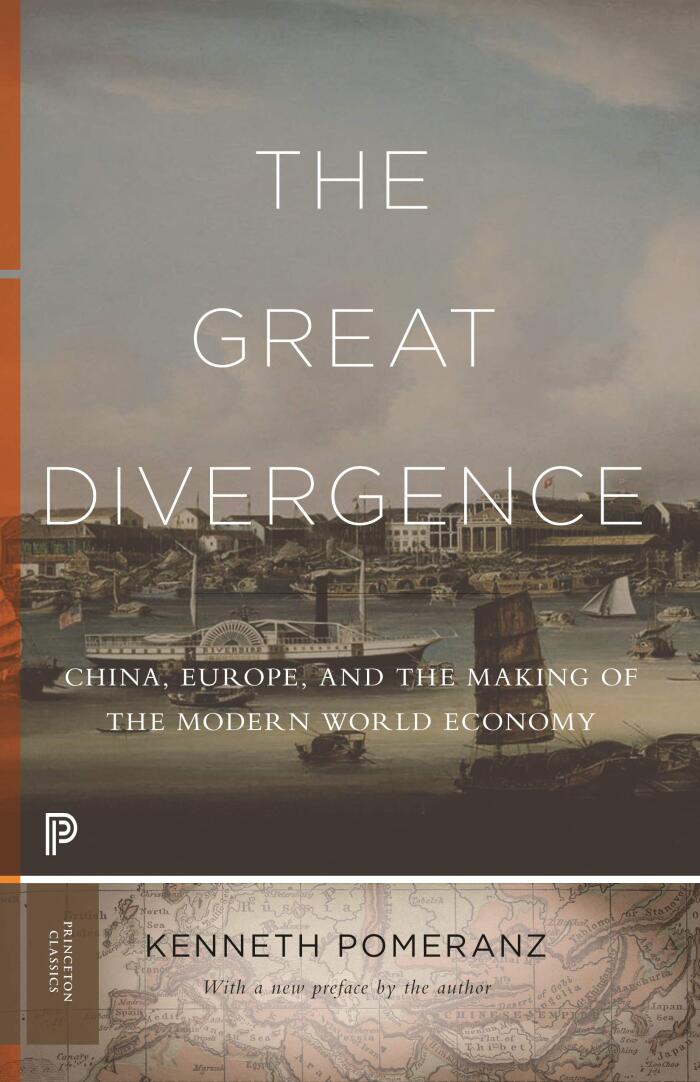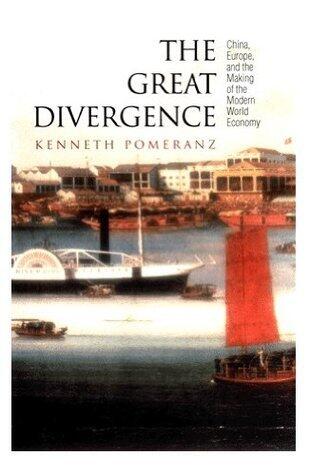
The Great Divergence: China, Europe, and the Making of the Modern World Economy
بواسطة
Kenneth Pomeranz
لا توجد تقييمات بعد
Science & Technology
History
Manga
تنسيق
غلاف ورقي
صفحات
392
لغة
الإنجليزية
منشور
Dec 9, 2001
الناشر
Princeton University Press
رقم ISBN-10
0691090106
رقم ISBN-13
9780691090108
الوصف
Kenneth Pomeranz explores a pivotal moment in global history, examining the factors that contributed to the economic divergence between China and Europe. This meticulous analysis challenges conventional narratives about the rise of the West and presents a nuanced understanding of how historical contexts shaped modern economies.
Through detailed research, Pomeranz delves into the complex interplay of geography, resources, and societal structures that influenced economic development in both regions. He argues that the paths chosen by China and Europe were not solely the result of cultural superiority or inherent advantages but also the consequences of specific historical decisions and circumstances.
As Pomeranz weaves together economic theory and historical data, he illuminates the interconnectedness of global economies, demonstrating how events in one part of the world can significantly impact others. This thought-provoking examination invites readers to reconsider widely held beliefs about progress and development, offering a fresh perspective on the making of the modern world economy.
Through detailed research, Pomeranz delves into the complex interplay of geography, resources, and societal structures that influenced economic development in both regions. He argues that the paths chosen by China and Europe were not solely the result of cultural superiority or inherent advantages but also the consequences of specific historical decisions and circumstances.
As Pomeranz weaves together economic theory and historical data, he illuminates the interconnectedness of global economies, demonstrating how events in one part of the world can significantly impact others. This thought-provoking examination invites readers to reconsider widely held beliefs about progress and development, offering a fresh perspective on the making of the modern world economy.