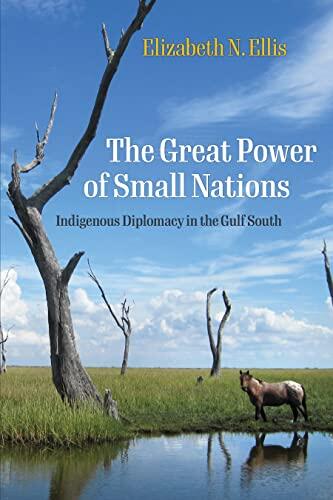
The Great Power of Small Nations: Indigenous Diplomacy in the Gulf South
بواسطة
Elizabeth N. Ellis
لا توجد تقييمات بعد
History
تنسيق
غلاف صلب
صفحات
336
لغة
الإنجليزية
منشور
Nov 8, 2022
الناشر
University of Pennsylvania Press
رقم ISBN-10
1512823090
رقم ISBN-13
9781512823097
الوصف
In the realm of early American history, the intricacies of diplomacy took root not just among major powers but also within the vibrant networks of small nations. Elizabeth N. Ellis brings to light the often-overlooked impact of Indigenous diplomacy in the Gulf South, exploring how these smaller entities navigated the complexities of colonial interests and power dynamics. Through meticulous research, she unravels the ways Indigenous nations wielded their agency, forging alliances and negotiating treaties that would shape the socio-political landscape of the region.
Ellis captivates readers by detailing the rich tapestry of interactions between Indigenous peoples and colonizers. Their strategies were not merely reactive; they were proactive in asserting their sovereignty and identity amidst the encroaching threats. The author illustrates how these small nations employed cultural knowledge, environmental resources, and intimate relationships to achieve diplomatic goals, highlighting their significant contributions to the broader narrative of American history.
This work challenges the mainstream perspective that often marginalizes smaller nations, providing a nuanced understanding of their roles in early diplomacy. By examining the unique approaches and perspectives of Indigenous groups in the Gulf South, Ellis invites readers to reconsider the power relations of the past and recognize the resilience and ingenuity of those often relegated to the sidelines of history.
Ellis captivates readers by detailing the rich tapestry of interactions between Indigenous peoples and colonizers. Their strategies were not merely reactive; they were proactive in asserting their sovereignty and identity amidst the encroaching threats. The author illustrates how these small nations employed cultural knowledge, environmental resources, and intimate relationships to achieve diplomatic goals, highlighting their significant contributions to the broader narrative of American history.
This work challenges the mainstream perspective that often marginalizes smaller nations, providing a nuanced understanding of their roles in early diplomacy. By examining the unique approaches and perspectives of Indigenous groups in the Gulf South, Ellis invites readers to reconsider the power relations of the past and recognize the resilience and ingenuity of those often relegated to the sidelines of history.