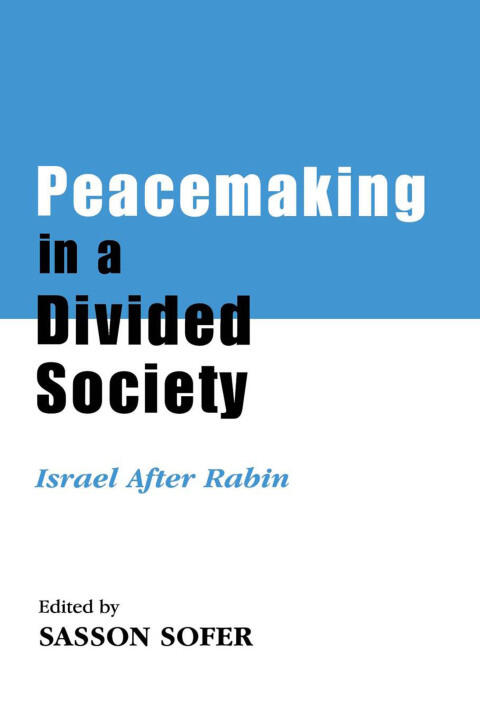
Peacemaking in a Divided Society: Israel After Rabin
によって
James V. Fenelon
まだ評価がありません
Science & Technology
形式
キンドル
ページ数
270
言語
英語
公開されました
Jan 1, 2014
出版社
Routledge
版
1
ISBN-10
1135301778
ISBN-13
9781135301774
説明
James V. Fenelon offers a compelling examination of Israeli society during a transformative period marked by tension and change. Through an interdisciplinary lens, he explores the events and dynamics following the assassination of Prime Minister Yitzhak Rabin, a moment that catalyzed both turmoil and the potential for renewed dialogue in a divided nation.
The narrative dives into the societal fractures that characterize Israel, highlighting the complex interplay between political decisions and grassroots movements. Fenelon paints a vivid picture of the struggles faced by different communities as they seek peace and reconciliation amidst ongoing conflict. His work captures the raw emotions and aspirations of a populace yearning for stability and coexistence.
As he unravels the layers of historical context, readers are led to understand the broader implications of leadership, identity, and collective memory in shaping the Israeli narrative. The insights presented challenge preconceived notions and invite deeper reflection on the pathways toward peace in a divided society.
Ultimately, Fenelon's study serves not only as a historical account but also as a poignant reminder of the resilience of human spirit amidst adversity, highlighting the nuanced quest for harmony that continues to define Israel’s journey.
The narrative dives into the societal fractures that characterize Israel, highlighting the complex interplay between political decisions and grassroots movements. Fenelon paints a vivid picture of the struggles faced by different communities as they seek peace and reconciliation amidst ongoing conflict. His work captures the raw emotions and aspirations of a populace yearning for stability and coexistence.
As he unravels the layers of historical context, readers are led to understand the broader implications of leadership, identity, and collective memory in shaping the Israeli narrative. The insights presented challenge preconceived notions and invite deeper reflection on the pathways toward peace in a divided society.
Ultimately, Fenelon's study serves not only as a historical account but also as a poignant reminder of the resilience of human spirit amidst adversity, highlighting the nuanced quest for harmony that continues to define Israel’s journey.