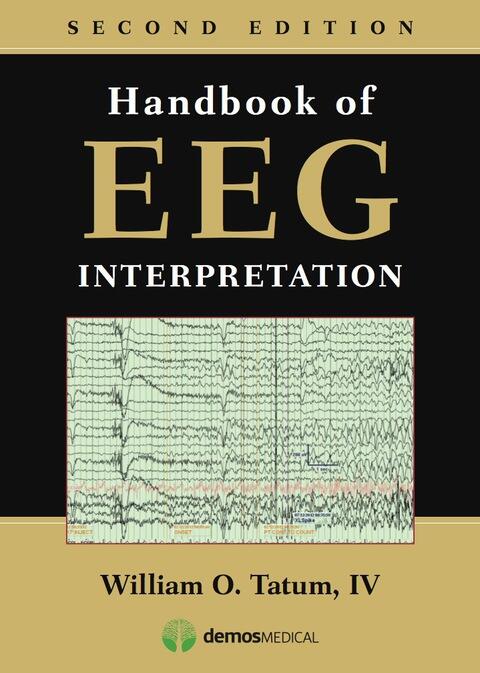
Handbook of EEG Interpretation, Second Edition
によって
William O. Tatum IV
まだ評価がありません
Health & Wellness
形式
キンドル
ページ数
374
言語
英語
公開されました
Jan 1, 2014
出版社
Demos Medical
版
2
ISBN-10
1617051802
ISBN-13
9781617051807
説明
This comprehensive handbook serves as an essential guide for both novices and seasoned professionals engaged in the intricacies of EEG interpretation. With a focus on clarity and accessibility, it provides an invaluable reference that aids in understanding the complexities of electroencephalography. Each section is thoughtfully structured to present critical information in a digestible format, making it easier for readers to grasp the essential concepts.
The authors, led by William O. Tatum IV, bring a wealth of experience to the forefront, sharing insights and detailed explanations that resonate with readers at all levels. Practical examples and illustrations enhance the learning experience, allowing for a deeper comprehension of various EEG patterns and their clinical significance.
In addition to foundational knowledge, the handbook delves into advanced topics, reflecting the latest developments in the field. This balanced approach ensures that it remains relevant in the ever-evolving landscape of neuroscience and clinical practice.
Overall, this second edition serves not only as a valuable educational tool but also as a practical reference that practitioners can rely on in their daily work. Whether in a clinical setting or an academic environment, readers will find it an indispensable resource for enhancing their expertise in EEG interpretation.
The authors, led by William O. Tatum IV, bring a wealth of experience to the forefront, sharing insights and detailed explanations that resonate with readers at all levels. Practical examples and illustrations enhance the learning experience, allowing for a deeper comprehension of various EEG patterns and their clinical significance.
In addition to foundational knowledge, the handbook delves into advanced topics, reflecting the latest developments in the field. This balanced approach ensures that it remains relevant in the ever-evolving landscape of neuroscience and clinical practice.
Overall, this second edition serves not only as a valuable educational tool but also as a practical reference that practitioners can rely on in their daily work. Whether in a clinical setting or an academic environment, readers will find it an indispensable resource for enhancing their expertise in EEG interpretation.