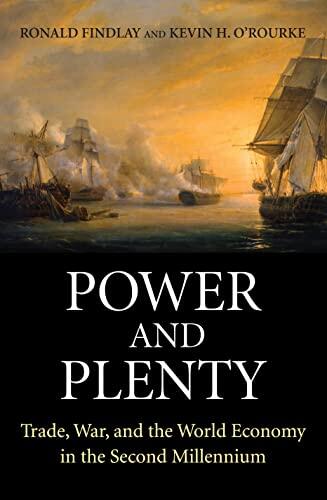
Power and Plenty: Trade, War, and the World Economy in the Second Millennium
まだ評価がありません
Action & Adventure
Science & Technology
History
+1
more
形式
ペーパーバック
ページ数
648
言語
英語
公開されました
Aug 30, 2009
出版社
Princeton University Press
版
New Edition
ISBN-10
0691143277
ISBN-13
9780691143279
説明
In this comprehensive exploration, the authors delve into the intricate relationship between trade, war, and economic development during the second millennium. They provide a thoughtful analysis that reveals how these elements interwovenly shaped the world economy, offering both a geographical and historical backdrop to their narrative. Through meticulous research, O'Rourke and Findlay invite readers to see the complexities of global trade networks and their implications for power dynamics across different regions.
As they traverse significant historical periods, the book highlights pivotal events and transformations that propelled economic growth or, conversely, incited conflict. The authors examine the impactful role of trade routes and the flow of goods, emphasizing how these factors influenced political power and social structures of the time. Their conclusions draw connections between past and present, suggesting that understanding this historical context is vital for grasping contemporary economic systems.
This work serves not only as an academic resource but also as an engaging account for those interested in the forces that have historically shaped global relationships. By framing the dialogue around trade and warfare, the narrative underscores the essential nature of commerce in the development of civilizations, ultimately reinforcing its significance in understanding the ongoing evolution of the world economy.
As they traverse significant historical periods, the book highlights pivotal events and transformations that propelled economic growth or, conversely, incited conflict. The authors examine the impactful role of trade routes and the flow of goods, emphasizing how these factors influenced political power and social structures of the time. Their conclusions draw connections between past and present, suggesting that understanding this historical context is vital for grasping contemporary economic systems.
This work serves not only as an academic resource but also as an engaging account for those interested in the forces that have historically shaped global relationships. By framing the dialogue around trade and warfare, the narrative underscores the essential nature of commerce in the development of civilizations, ultimately reinforcing its significance in understanding the ongoing evolution of the world economy.