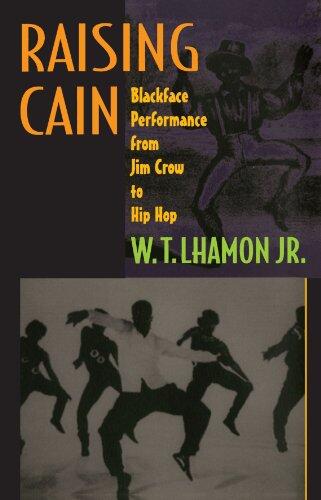
Raising Cain: Blackface Performance from Jim Crow to Hip Hop
작성자
W.T. Lhamon Jr.
아직 평점이 없습니다
Science & Technology
History
Humor
형식
페이퍼백
페이지
288
언어
영어
출판됨
May 5, 2000
출판사
Harvard University Press
판
First Edition
ISBN-10
0674001931
ISBN-13
9780674001930
설명
In a thought-provoking exploration of race and performance, W. T. Lhamon Jr. dives deep into the complex history of blackface, tracing its evolution from the Jim Crow era to contemporary hip-hop culture. The narrative unfolds as Lhamon examines how this controversial theatrical practice has been both a reflection of societal attitudes and a tool for cultural expression. Through meticulous research and compelling anecdotes, he invites readers to reconsider the ramifications of this art form and its enduring impact.
Lhamon reveals the intricate layers behind blackface performances, showcasing how they intersect with various aspects of American identity. He highlights instances where artists have subverted these conventions, turning a historical symbol of oppression into a platform for resistance and social commentary. The book dances between the tragic and the transformative, offering a balanced perspective that encourages critical engagement with the past.
As he delves into the realms of music, theater, and social movements, Lhamon captivates his audience by tying historical threads to present-day implications. This discourse isn't merely an academic analysis but a vital conversation about race, culture, and identity in America. Through this lens, Lhamon stimulates a necessary dialogue about the evolution of blackface and its relevance today, ultimately challenging readers to navigate the complexities of cultural representation.
Lhamon reveals the intricate layers behind blackface performances, showcasing how they intersect with various aspects of American identity. He highlights instances where artists have subverted these conventions, turning a historical symbol of oppression into a platform for resistance and social commentary. The book dances between the tragic and the transformative, offering a balanced perspective that encourages critical engagement with the past.
As he delves into the realms of music, theater, and social movements, Lhamon captivates his audience by tying historical threads to present-day implications. This discourse isn't merely an academic analysis but a vital conversation about race, culture, and identity in America. Through this lens, Lhamon stimulates a necessary dialogue about the evolution of blackface and its relevance today, ultimately challenging readers to navigate the complexities of cultural representation.