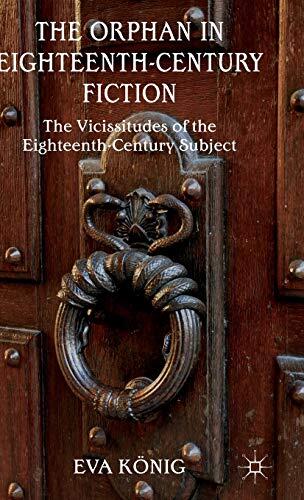
The Orphan in Eighteenth-Century Fiction: The Vicissitudes of the Eighteenth-Century Subject
작성자
E. König
아직 평점이 없습니다
Science Fiction
Children’s
형식
하드커버
페이지
285
언어
영어
출판됨
May 29, 2014
출판사
Palgrave Macmillan
판
2014
ISBN-10
1137382015
ISBN-13
9781137382016
설명
E. König explores the compelling figure of the orphan within the rich tapestry of eighteenth-century fiction, shedding light on a character that has often been overlooked in literary criticism. By delving into the complex narratives surrounding orphans, the author unravels their significance in reflecting the social and historical contexts of the time. The orphan serves not merely as a plot device but as a lens through which the struggles of identity, belonging, and resilience can be understood.
In examining various texts, König illuminates how these characters embody the vicissitudes of human experience, navigating challenges that resonate with readers across centuries. The orphan's journey reflects profound themes of abandonment and hope, mirroring the anxieties and aspirations of society during a transformative period.
This critical analysis invites readers to reconsider the role of the orphan in literature and the broader implications of their narratives, ultimately enriching the understanding of eighteenth-century identity and its place in the literary canon. Through engaging prose and thoughtful insights, König paves a path for further exploration into a character type that continues to resonate in contemporary storytelling.
In examining various texts, König illuminates how these characters embody the vicissitudes of human experience, navigating challenges that resonate with readers across centuries. The orphan's journey reflects profound themes of abandonment and hope, mirroring the anxieties and aspirations of society during a transformative period.
This critical analysis invites readers to reconsider the role of the orphan in literature and the broader implications of their narratives, ultimately enriching the understanding of eighteenth-century identity and its place in the literary canon. Through engaging prose and thoughtful insights, König paves a path for further exploration into a character type that continues to resonate in contemporary storytelling.