

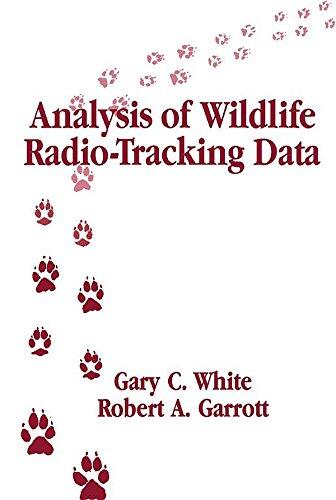
Analysis of Wildlife Radio-Tracking Data
还没有评分
格式
Kindle
页数
383
语言
英语
已发布
Jan 1, 2012
出版商
Academic Press
版本
1
ISBN-10
0080926576
ISBN-13
9780080926575
描述
This comprehensive work delves into the intricate world of wildlife management through the lens of radio-tracking technologies. The authors, Gary C. White and Robert A. Garrott, bring a wealth of knowledge and expertise to the examination of data collection and analysis techniques crucial for understanding animal behaviors and movements in their natural habitats.
The volume highlights the evolution of radio-tracking methodologies, discussing the potential and limitations of different approaches. White and Garrott emphasize the importance of robust data analysis to inform conservation strategies and wildlife policies. Each chapter effectively balances theoretical aspects with practical applications, making it accessible to both researchers and practitioners in the field.
Through detailed case studies, the authors illustrate real-world applications of the techniques discussed, showcasing how radio-tracking can provide invaluable insights into species behavior, habitat use, and population dynamics. Readers are encouraged to consider the ethical implications of wildlife tracking in conjunction with scientific observation.
Ultimately, this work serves as a vital resource for those involved in wildlife research, conservation, and management, offering essential tools for safeguarding the future of various species while fostering a deeper understanding of their complexities in an ever-changing environment.
The volume highlights the evolution of radio-tracking methodologies, discussing the potential and limitations of different approaches. White and Garrott emphasize the importance of robust data analysis to inform conservation strategies and wildlife policies. Each chapter effectively balances theoretical aspects with practical applications, making it accessible to both researchers and practitioners in the field.
Through detailed case studies, the authors illustrate real-world applications of the techniques discussed, showcasing how radio-tracking can provide invaluable insights into species behavior, habitat use, and population dynamics. Readers are encouraged to consider the ethical implications of wildlife tracking in conjunction with scientific observation.
Ultimately, this work serves as a vital resource for those involved in wildlife research, conservation, and management, offering essential tools for safeguarding the future of various species while fostering a deeper understanding of their complexities in an ever-changing environment.