

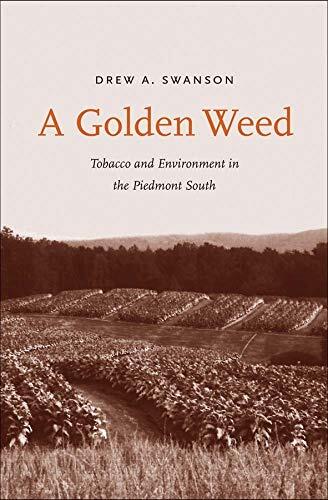
A Golden Weed: Tobacco and Environment in the Piedmont South
بواسطة
Drew A. Swanson
لا توجد تقييمات بعد
History
تنسيق
غلاف صلب
صفحات
360
لغة
الإنجليزية
منشور
Aug 12, 2014
الناشر
Yale University Press
الطبعة
Illustrated
رقم ISBN-10
0300191162
رقم ISBN-13
9780300191165
الوصف
In this compelling exploration, Drew A. Swanson delves into the intricate relationship between tobacco and the environment of the Piedmont South, shedding light on a crop that has significantly shaped the region's historical and economic landscape. Swanson reveals how tobacco, often referred to as "golden weed," has not only impacted the livelihoods of countless farmers but also transformed the natural environment, leading to a complex legacy defined by both prosperity and ecological challenges.
Through meticulous research and engaging narrative, the author paints a vivid picture of the agricultural practices surrounding tobacco cultivation, highlighting how these practices have influenced soil health, water resources, and local ecosystems. Swanson's examination extends beyond the fields, incorporating social and cultural dimensions that reveal the profound ways in which tobacco has woven itself into the fabric of Southern identity.
This work resonates with anyone interested in environmental history, agriculture, and the enduring complexities of human-nature relationships. It invites readers to reflect on the consequences of agricultural choices and the lasting impact these decisions have on both the land and its people.
Through meticulous research and engaging narrative, the author paints a vivid picture of the agricultural practices surrounding tobacco cultivation, highlighting how these practices have influenced soil health, water resources, and local ecosystems. Swanson's examination extends beyond the fields, incorporating social and cultural dimensions that reveal the profound ways in which tobacco has woven itself into the fabric of Southern identity.
This work resonates with anyone interested in environmental history, agriculture, and the enduring complexities of human-nature relationships. It invites readers to reflect on the consequences of agricultural choices and the lasting impact these decisions have on both the land and its people.