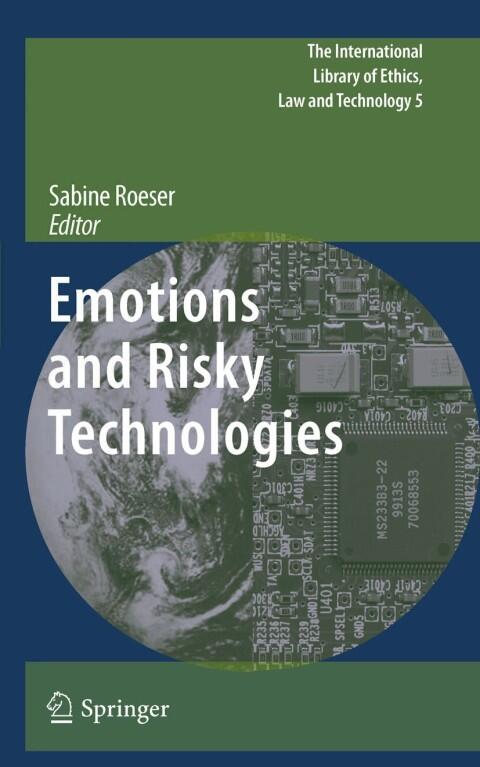
Emotions and Risky Technologies
بواسطة
Joachim Diederich; Cengiz Gunay; James M. Hogan
لا توجد تقييمات بعد
Philosophy
تنسيق
كيندل
صفحات
262
لغة
الهولندية، الفلمنكية
منشور
Jan 1, 2010
الناشر
Springer
الطبعة
2010
رقم ISBN-10
9048186471
رقم ISBN-13
9789048186471
الوصف
In a world increasingly defined by technological advancements, the interplay between human emotions and the perception of risk takes center stage in this insightful exploration. The authors delve into the nuanced landscape of "acceptable risk," questioning what influences our judgments and decisions in the face of advancing technologies. Their examination reveals the tension between rational and irrational evaluations, shedding light on how emotional responses shape our understanding of safety and danger.
With contributions from notable scholars, the work combines theoretical frameworks and real-world examples, illustrating the complexities of human emotions in the context of technological risks. It emphasizes the role that fear, trust, and societal perceptions play in shaping public discourse surrounding emerging technologies, challenging readers to consider how these factors impact regulatory decisions and individual behaviors.
This book prompts a critical reflection on modern society, urging a deeper understanding of the psychological underpinnings that guide our responses to risk. It serves as a vital resource for policymakers, ethicists, and anyone interested in the evolving relationship between humanity and technology.
With contributions from notable scholars, the work combines theoretical frameworks and real-world examples, illustrating the complexities of human emotions in the context of technological risks. It emphasizes the role that fear, trust, and societal perceptions play in shaping public discourse surrounding emerging technologies, challenging readers to consider how these factors impact regulatory decisions and individual behaviors.
This book prompts a critical reflection on modern society, urging a deeper understanding of the psychological underpinnings that guide our responses to risk. It serves as a vital resource for policymakers, ethicists, and anyone interested in the evolving relationship between humanity and technology.





![[Ethical Principles and Economic Transformation - A Buddhist Approach (Issues in Business Ethics)] [Author: x] [May, 2011]](https://images.bookpine.com/bd815e9c-ead9-4e64-bfb5-aea659b2460b.jpg)