الوصف
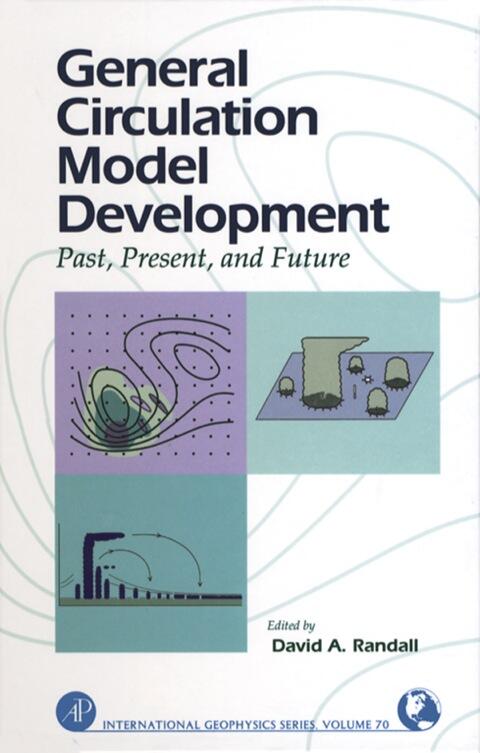
David A. Randall delves into the evolution and significance of General Circulation Models (GCMs) within the realm of climate science. He traces their history, revealing how these sophisticated computational tools emerged from the desire to understand and predict weather patterns and climate changes more accurately. Readers are invited to explore the fundamental principles that underpin GCMs, providing a solid foundation for grasping their complexities and applications.
The work highlights not only the achievements of GCMs over the years but also the challenges that continue to shape their development. Randall discusses essential improvements in model resolution and simulation capabilities, reflecting the growing demands of scientific community and society at large for more precise climate forecasting. He emphasizes the importance of collaboration among scientists and advancements in supercomputing technology for driving future enhancements.
Looking ahead, the narrative hints at the transformative potential of emerging technologies, including machine learning and data assimilation techniques. Randall paints a picture of a future where GCMs are not just tools for researchers, but accessible resources that can inform policy decisions and public understanding of climate issues.
Through meticulous analysis and thoughtful insights, Randall's exploration serves as both a retrospective and a forward-looking perspective on GCMs’ integral role in climate research. This journey through the past, present, and future of these models offers valuable insights for scholars, practitioners, and anyone interested in the intricate relationships between human activities and the Earth’s climate systems.
The work highlights not only the achievements of GCMs over the years but also the challenges that continue to shape their development. Randall discusses essential improvements in model resolution and simulation capabilities, reflecting the growing demands of scientific community and society at large for more precise climate forecasting. He emphasizes the importance of collaboration among scientists and advancements in supercomputing technology for driving future enhancements.
Looking ahead, the narrative hints at the transformative potential of emerging technologies, including machine learning and data assimilation techniques. Randall paints a picture of a future where GCMs are not just tools for researchers, but accessible resources that can inform policy decisions and public understanding of climate issues.
Through meticulous analysis and thoughtful insights, Randall's exploration serves as both a retrospective and a forward-looking perspective on GCMs’ integral role in climate research. This journey through the past, present, and future of these models offers valuable insights for scholars, practitioners, and anyone interested in the intricate relationships between human activities and the Earth’s climate systems.
تفاصيل الكتاب
تنسيق
كيندل
صفحات
416 صفحات
لغة
الإنجليزية
منشور
يناير 1, 2000
الناشر
Academic Press
الطبعة
1
الطبعات
2 طبعات
رقم ISBN-10
0080507239
رقم ISBN-13
9780080507231