

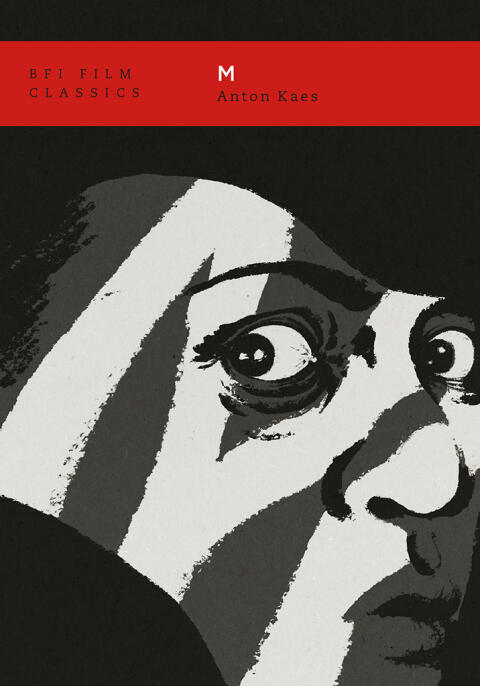
M
بواسطة
Anton Kaes
لا توجد تقييمات بعد
History
Horror
تنسيق
كيندل
صفحات
141
لغة
الإنجليزية
منشور
Jan 1, 2021
الناشر
British Film Institute
الطبعة
1
رقم ISBN-10
1839022922
رقم ISBN-13
9781839022920
الوصف
Anton Kaes delves into the intricacies of Fritz Lang's groundbreaking film, "M", a seminal work that continues to influence filmmakers and captivate audiences nearly a century after its release. Examining the film's themes of morality, justice, and societal fears, Kaes demonstrates how Lang deftly weaves a narrative that reflects the anxieties of a 1930s Germany grappling with its own identity.
The portrayal of the serial killer, played with chilling intensity, serves as a catalyst for exploring the darker sides of humanity. Kaes highlights the character's psychological complexity, reflecting on how Lang's direction invites viewers to engage not just with the plot but with the moral dilemmas faced by society. The film's innovative techniques, from its use of sound to its stark cinematography, are also analyzed, showcasing Lang's masterful craftsmanship.
Beyond its narrative and technical achievements, Kaes considers the cultural and historical context surrounding "M," contemplating how the film confronted the sociopolitical landscape of its time. This examination offers insights into how popular media engages with pressing societal issues, prompting reflection on humanity's cyclic struggles.
Through Kaes' thoughtful analysis, readers are invited to appreciate "M" not only as a brilliant piece of cinema but as a profound commentary on the human condition—one that remains relevant today. The depth of this exploration enriches the viewer's understanding of the film and its place in the canon of world cinema.
The portrayal of the serial killer, played with chilling intensity, serves as a catalyst for exploring the darker sides of humanity. Kaes highlights the character's psychological complexity, reflecting on how Lang's direction invites viewers to engage not just with the plot but with the moral dilemmas faced by society. The film's innovative techniques, from its use of sound to its stark cinematography, are also analyzed, showcasing Lang's masterful craftsmanship.
Beyond its narrative and technical achievements, Kaes considers the cultural and historical context surrounding "M," contemplating how the film confronted the sociopolitical landscape of its time. This examination offers insights into how popular media engages with pressing societal issues, prompting reflection on humanity's cyclic struggles.
Through Kaes' thoughtful analysis, readers are invited to appreciate "M" not only as a brilliant piece of cinema but as a profound commentary on the human condition—one that remains relevant today. The depth of this exploration enriches the viewer's understanding of the film and its place in the canon of world cinema.