

تفاصيل الكتاب
تنسيق
كيندل
صفحات
324
لغة
الإنجليزية
منشور
Oct 12, 2007
الناشر
Columbia University Press
الوصف
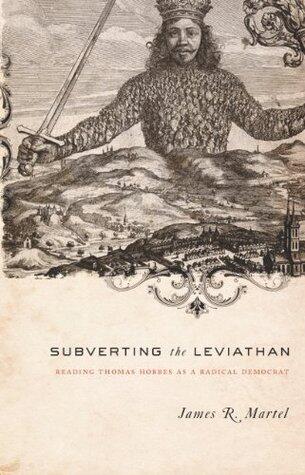
In Leviathan, Thomas Hobbes's landmark work on political philosophy, James Martel argues that although Hobbes pays lip service to the superior interpretive authority of the sovereign, he consistently subverts this authority throughout the book by returning it to the reader. Martel demonstrates that Hobbes's radical method of reading not only undermines his own authority in the text, but, by extension, the authority of the sovereign as well. To make his point, Martel looks closely at Hobbes's understanding of religious and rhetorical representation. In Leviathan, idolatry is not just a matter of worshipping images but also a consequence of bad reading. Hobbes speaks of the "error of separated essences," in which a sign takes precedence over the idea or object it represents, and warns that when the sign is given such agency, it becomes a disembodied fantasy leading to a "kingdom of darkness." To combat such idolatry, Hobbes offers a method of reading in which one resists the rhetorical manipulation of figures and tropes and recognizes the codes and structures of language for what they are-the only way to convey a fundamental inability to ever know "the thing itself." Making the leap to politics, Martel suggests that following Hobbes's argument, the sovereign can also be seen as idolatrous-a separated essence-a figure who supplants the people it purportedly represents, and that learning to be better readers enables us to challenge, if not defeat, the authority of the sovereign.
الأنواع
فلسفة
فانتازيا
السياسة