

الوصف
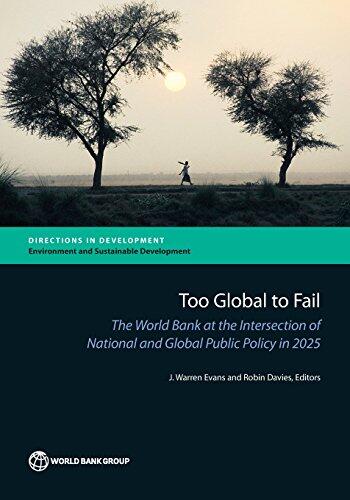
This insightful report delves into the pivotal role of global public goods, particularly within the realm of environmental policy and sustainability. It scrutinizes how institutions like the World Bank navigate the complexities of intersecting national priorities with global needs in an increasingly interconnected world.
As the international landscape evolves, the authors examine the pressing challenges that arise when addressing global public goods. They highlight the need for cooperation and collaboration among nations to tackle issues such as climate change, resource management, and social equity. Through detailed analysis and case studies, the report emphasizes innovative strategies that can be employed to enhance decision-making processes.
The narrative also addresses the multifaceted relationship between local actions and global outcomes. It reveals how grassroots initiatives can influence broader policy frameworks, underscoring the importance of inclusivity in global governance. Readers are invited to reimagine the future of international cooperation and the essential role of financial institutions.
In unpacking these themes, the authors provide a roadmap for policymakers and stakeholders, urging them to align their efforts towards a more sustainable and equitable global future. This document serves not only as a critical examination of the challenges confronting the World Bank but also as a call to action for a unified response to the urgent needs of our time.
As the international landscape evolves, the authors examine the pressing challenges that arise when addressing global public goods. They highlight the need for cooperation and collaboration among nations to tackle issues such as climate change, resource management, and social equity. Through detailed analysis and case studies, the report emphasizes innovative strategies that can be employed to enhance decision-making processes.
The narrative also addresses the multifaceted relationship between local actions and global outcomes. It reveals how grassroots initiatives can influence broader policy frameworks, underscoring the importance of inclusivity in global governance. Readers are invited to reimagine the future of international cooperation and the essential role of financial institutions.
In unpacking these themes, the authors provide a roadmap for policymakers and stakeholders, urging them to align their efforts towards a more sustainable and equitable global future. This document serves not only as a critical examination of the challenges confronting the World Bank but also as a call to action for a unified response to the urgent needs of our time.
تفاصيل الكتاب
تنسيق
غلاف ورقي
صفحات
310 صفحات
لغة
الإنجليزية
منشور
Dec 15, 2014
الناشر
World Bank Publications
الطبعة
1
الطبعات
2 editions
رقم ISBN-10
1464803072
رقم ISBN-13
9781464803079