Beschreibung
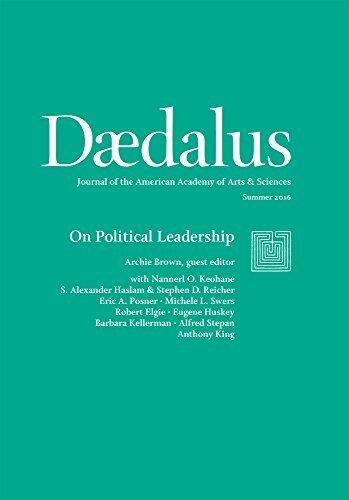
In the pages of this thought-provoking collection, a diverse group of scholars and political theorists delve into the intricate fabric of political leadership. Drawing from a wealth of knowledge and varying perspectives, the authors explore the essential qualities that define effective leaders and the societal dynamics that shape their influence. Each contributor, renowned in their field, offers insight that bridges theoretical frameworks with real-world applications, inviting readers to consider how leadership functions within complex political landscapes.
The discussion traverses historical context, examining how past leaders have shaped political thought and action, while also addressing contemporary issues that modern leaders face. Topics range from ethical governance to the psychological underpinnings of leadership, providing a comprehensive perspective that encourages critical reflection on the nature of authority. By engaging with both timeless principles and pressing challenges, the collection fosters a deeper understanding of what it means to lead in today’s world.
Furthermore, the dialogues invite readers to contemplate the intersection between leadership and societal change, emphasizing the role of leaders in either fostering progress or entrenching the status quo. Through an array of case studies and theoretical analyses, the contributors challenge conventional wisdom and urge a reevaluation of the qualities often associated with success in political arenas.
Ultimately, this compilation serves as a vital resource for anyone looking to grasp the complexities of political leadership. It opens up pathways for discussion about responsibility, power, and the moral imperatives that should guide those in positions of authority, making it an essential read for students, scholars, and practitioners alike.
The discussion traverses historical context, examining how past leaders have shaped political thought and action, while also addressing contemporary issues that modern leaders face. Topics range from ethical governance to the psychological underpinnings of leadership, providing a comprehensive perspective that encourages critical reflection on the nature of authority. By engaging with both timeless principles and pressing challenges, the collection fosters a deeper understanding of what it means to lead in today’s world.
Furthermore, the dialogues invite readers to contemplate the intersection between leadership and societal change, emphasizing the role of leaders in either fostering progress or entrenching the status quo. Through an array of case studies and theoretical analyses, the contributors challenge conventional wisdom and urge a reevaluation of the qualities often associated with success in political arenas.
Ultimately, this compilation serves as a vital resource for anyone looking to grasp the complexities of political leadership. It opens up pathways for discussion about responsibility, power, and the moral imperatives that should guide those in positions of authority, making it an essential read for students, scholars, and practitioners alike.
Buchdetails
Format
Kindle
Seiten
197 Seiten
Sprache
Englisch
Veröffentlicht
Jul 11, 2016
Verlag
The MIT Press