

Beschreibung
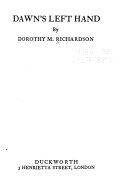
Dorothy M. Richardson's captivating narrative unfolds through the thirteen interconnected novels of "Pilgrimage," a pioneering exploration of modernist themes in early 20th-century England. With a unique focus on the inner lives of her characters, Richardson delves into the complexities of consciousness, gender, and the nuances of everyday experience. Her lyrical prose and stream-of-consciousness style invite readers into the intimate thoughts and emotions of her protagonist, presenting a vivid portrait of the struggles and triumphs in the journey of self-discovery.
Set against the backdrop of a rapidly changing society, the narrative captures the essence of individuality and the intricate interplay between personal aspirations and societal expectations. Richardson's work transcends mere storytelling; it serves as a profound commentary on the human condition, exploring themes of identity, existentialism, and the pursuit of meaning in a world filled with uncertainty. Through her innovative approach, she remains a significant figure in literary history, paving the way for future generations of writers.
Set against the backdrop of a rapidly changing society, the narrative captures the essence of individuality and the intricate interplay between personal aspirations and societal expectations. Richardson's work transcends mere storytelling; it serves as a profound commentary on the human condition, exploring themes of identity, existentialism, and the pursuit of meaning in a world filled with uncertainty. Through her innovative approach, she remains a significant figure in literary history, paving the way for future generations of writers.
Buchdetails
Format
Taschenbuch
Seiten
253 Seiten
Sprache
Englisch
Veröffentlicht
Jan 1, 1931
Verlag
Duckworth Publishing