

Beschreibung
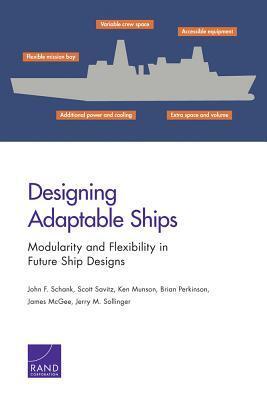
The report delves into innovative strategies for enhancing the longevity and performance of naval vessels in the U.S. Navy. It presents a thoughtful examination of modular design principles, focusing on how flexibility in shipbuilding can address evolving threats and operational needs. The authors advocate for a paradigm shift in the design process, encouraging the incorporation of adaptable components that could facilitate upgrades and repairs throughout a ship's lifespan.
By analyzing current ship designs, the authors highlight the limitations faced by traditional naval architectures and suggest viable pathways for modernization. They outline the importance of cost-effectiveness and responsiveness to technological advances, emphasizing a future where ships can be easily reconfigured to meet various mission requirements. This forward-thinking approach aims to ensure that vital naval assets remain relevant and effective for decades to come.
With contributions from experts in military strategy and ship design, the report offers a comprehensive overview of the potential benefits of modularity in naval engineering. It serves as a critical resource for decision-makers who seek to implement sustainable practices in the design and maintenance of the fleet, thereby improving overall operational readiness in a rapidly changing global landscape.
By analyzing current ship designs, the authors highlight the limitations faced by traditional naval architectures and suggest viable pathways for modernization. They outline the importance of cost-effectiveness and responsiveness to technological advances, emphasizing a future where ships can be easily reconfigured to meet various mission requirements. This forward-thinking approach aims to ensure that vital naval assets remain relevant and effective for decades to come.
With contributions from experts in military strategy and ship design, the report offers a comprehensive overview of the potential benefits of modularity in naval engineering. It serves as a critical resource for decision-makers who seek to implement sustainable practices in the design and maintenance of the fleet, thereby improving overall operational readiness in a rapidly changing global landscape.
Buchdetails
Format
Taschenbuch
Seiten
166 Seiten
Sprache
Englisch
Veröffentlicht
Apr 7, 2016
Verlag
RAND Corporation
ISBN-10
0833087223
ISBN-13
9780833087225