

Buchdetails
Format
Gebundene Ausgabe
Seiten
334
Sprache
Englisch
Veröffentlicht
Jan 1, 2010
Verlag
Kessinger Publishing, LLC
ISBN-10
1161778888
ISBN-13
9781161778885
Beschreibung
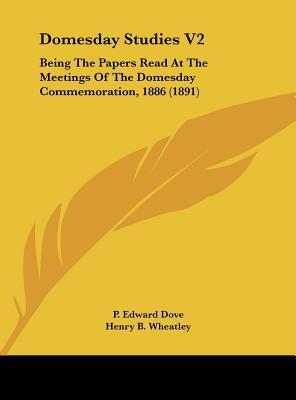
In a meticulous exploration of historical society and governance, this volume presents the scholarly contributions delivered during the Domesday Commemoration in 1886. Compiled by Henry B. Wheatley and P. Edward Dove, the essays collected here delve into the significance of the Domesday Book, a monumental survey of medieval England that has captivated historians and researchers for centuries. Each paper offers unique insights into the societal structures, land ownership, and demographic details of the era, shedding light on how this remarkable document shaped the landscape of English history.
The authors leverage a range of perspectives, providing a comprehensive understanding of the impact of the Domesday Book on contemporary governance and administrative practices. Included are discussions on land tenure, taxation, and local administration, as well as examinations of specific regions captured within the survey. Such analyses highlight not only the book’s administrative value but also its influence on societal development during a pivotal time in history.
Readers will appreciate the rigor of the research, which is grounded in thorough historical methodology and contextual understanding. The implications of the Domesday findings resonate through the narratives presented, portraying a society in transition as it moved from feudalism towards more centralized forms of governance. Through these papers, the volume connects the past with present understandings of heritage and land management, emphasizing the ongoing relevance of the Domesday Book.
Overall, the collection serves as an essential resource for historians, scholars, and anyone intrigued by the political and social fabric of medieval England, providing not just a recounting of facts but a deeper exploration into the implications of those facts on modern society.
The authors leverage a range of perspectives, providing a comprehensive understanding of the impact of the Domesday Book on contemporary governance and administrative practices. Included are discussions on land tenure, taxation, and local administration, as well as examinations of specific regions captured within the survey. Such analyses highlight not only the book’s administrative value but also its influence on societal development during a pivotal time in history.
Readers will appreciate the rigor of the research, which is grounded in thorough historical methodology and contextual understanding. The implications of the Domesday findings resonate through the narratives presented, portraying a society in transition as it moved from feudalism towards more centralized forms of governance. Through these papers, the volume connects the past with present understandings of heritage and land management, emphasizing the ongoing relevance of the Domesday Book.
Overall, the collection serves as an essential resource for historians, scholars, and anyone intrigued by the political and social fabric of medieval England, providing not just a recounting of facts but a deeper exploration into the implications of those facts on modern society.