Beschreibung
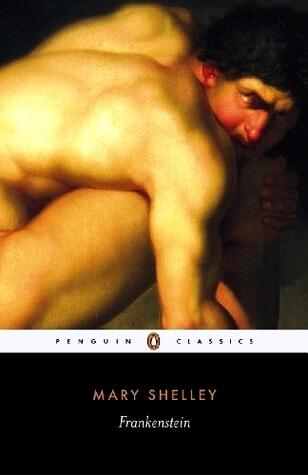
In a gripping tale that delves into the depths of human ambition and morality, Mary Shelley presents a story that transcends time. Set against the backdrop of the early 19th century, it explores the tumultuous relationship between creator and creation, where the boundaries of life and death blur disturbingly.
Victor Frankenstein, a brilliant but obsessive scientist, becomes consumed by his desire to defy nature and unlock the secrets of life. In his quest, he successfully animates a creature born from the remnants of the deceased—a decision that spirals into chaos. As the monster struggles with its own identity and the rejection it faces from a terrified society, a profound dialogue emerges about responsibility, isolation, and the quest for companionship.
Shelley’s work invites readers to reflect on the consequences of unchecked ambition and the ethical dilemmas surrounding scientific discovery. It is a poignant exploration of the human condition, wrapped in a haunting narrative that resonates with deep emotional truths.
Victor Frankenstein, a brilliant but obsessive scientist, becomes consumed by his desire to defy nature and unlock the secrets of life. In his quest, he successfully animates a creature born from the remnants of the deceased—a decision that spirals into chaos. As the monster struggles with its own identity and the rejection it faces from a terrified society, a profound dialogue emerges about responsibility, isolation, and the quest for companionship.
Shelley’s work invites readers to reflect on the consequences of unchecked ambition and the ethical dilemmas surrounding scientific discovery. It is a poignant exploration of the human condition, wrapped in a haunting narrative that resonates with deep emotional truths.
Buchdetails
Format
Taschenbuch
Seiten
273 Seiten
Sprache
Englisch
Veröffentlicht
Jan 1, 2003
Verlag
Penguin
Ausgaben
1614 Ausgaben
ISBN-10
0241430941
ISBN-13
9780241430941
Genres
Romantik
Mystery
Science-Fiction
Dystopie
Thriller & Spannung
Jugendbuch
Kinder
Biografie
Action & Abenteuer
Autobiografie & Memoiren
Selbsthilfe
Religion & Spiritualität
Wissenschaft & Technologie
Geschichte
Horror
Humor
Wirtschaft & Finanzen
Philosophie
Fantasie
Manga
Graphic Novels
Poesie
Kochbücher
Reisen
Gesundheit & Wellness
Kunst & Fotografie
Krimi
Klassiker
Zeitgenössisch
Paranormal
Politik
Natur
Psychologie
Rezensionen
Alle anzeigen

É impressionante pensar que este romance foi escrito por uma jovem de apenas dezoito anos. Shelley utiliza o horror não para assustar, mas para discutir responsabilidade, ambição e solidão. O verdadeiro monstro nunca é apenas a criatura, mas também o homem incapaz de assumir as consequências de seus próprios atos. A escrita mantém um tom melancólico que acompanha toda a narrativa, fazendo do livro muito mais uma tragédia do que uma história de terror. É um clássico que continua relevante sempre que a ciência avança mais rápido do que a ética.
August 2nd 2026

The tragedy of the monster and the wretchedness of the man.
July 18th 2026