

Beschreibung
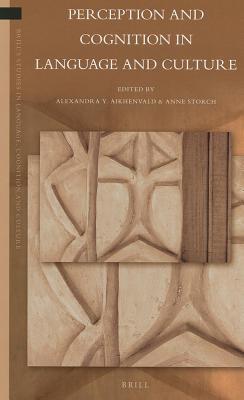
This exploration delves into the intricate connections between perception and cognition as influenced by language and culture. The authors present a comprehensive analysis of how different languages structure sensory experiences, revealing the profound relationship between linguistic expression and the ways communities understand the world around them. By examining diverse linguistic landscapes, they uncover unique thought patterns and cultural implications tied to sensory perceptions.
Through a blend of research and case studies, the work highlights the richness of sensory language across various cultures and languages. It invites readers to consider how these elements shape not only individual experiences but also collective identities, ultimately enriching the discourse on cognition and the human experience.
Through a blend of research and case studies, the work highlights the richness of sensory language across various cultures and languages. It invites readers to consider how these elements shape not only individual experiences but also collective identities, ultimately enriching the discourse on cognition and the human experience.
Buchdetails
Format
Kindle
Seiten
299 Seiten
Sprache
Englisch
Veröffentlicht
Feb 26, 2013
Verlag
Brill Academic Publishers
Ausgaben
2 editions
ISBN-10
1299104886
ISBN-13
9781299104884