Beschreibung
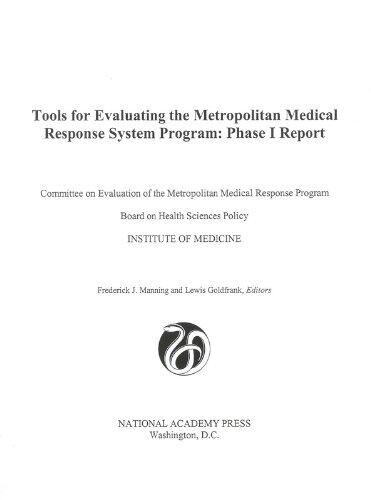
In this comprehensive report, a team of experts examines the Metropolitan Medical Response System Program, focusing on its initial phase and underlying evaluation mechanisms. The authors, affiliated with the Institute of Medicine, delve into the intricacies of health sciences policies and the critical role such systems play in urban medical responses. They aim to provide a structured analysis of the program's capabilities, effectiveness, and areas for improvement.
The report begins by setting a context for the program, outlining current challenges faced by metropolitan areas during medical emergencies. It discusses how emerging technologies can enhance situational awareness and resource management, ultimately improving patient outcomes in crisis situations. The authors emphasize the importance of strategic planning and inter-agency collaboration in ensuring a coherent response to large-scale health incidents.
As the narrative unfolds, the report highlights the need for continuous evaluation methodologies to assess program efficacy. The authors advocate for data-driven decision-making and suggest frameworks that can streamline assessments and adjustments within the response infrastructure. By grounding their analysis in empirical evidence, they position the program as a foundational element of public health preparedness.
Overall, this report serves as a critical resource for policymakers, healthcare professionals, and emergency management officials, providing insights that could shape the future of metropolitan medical responses. As urban environments evolve, the recommendations presented here are timely reminders of the necessity for effective and adaptive health response systems.
The report begins by setting a context for the program, outlining current challenges faced by metropolitan areas during medical emergencies. It discusses how emerging technologies can enhance situational awareness and resource management, ultimately improving patient outcomes in crisis situations. The authors emphasize the importance of strategic planning and inter-agency collaboration in ensuring a coherent response to large-scale health incidents.
As the narrative unfolds, the report highlights the need for continuous evaluation methodologies to assess program efficacy. The authors advocate for data-driven decision-making and suggest frameworks that can streamline assessments and adjustments within the response infrastructure. By grounding their analysis in empirical evidence, they position the program as a foundational element of public health preparedness.
Overall, this report serves as a critical resource for policymakers, healthcare professionals, and emergency management officials, providing insights that could shape the future of metropolitan medical responses. As urban environments evolve, the recommendations presented here are timely reminders of the necessity for effective and adaptive health response systems.
Buchdetails
Format
Gebundene Ausgabe
Seiten
63 Seiten
Sprache
Englisch
Veröffentlicht
Nov 25, 2001
Verlag
National Academies Press
Ausgabe
1
Ausgaben
2 Ausgaben
ISBN-10
0309076471
ISBN-13
9780309076470