Buchdetails
Format
Kindle
Seiten
279
Sprache
Englisch
Veröffentlicht
Jan 1, 2020
Verlag
Palgrave Macmillan
Ausgabe
1st ed. 2020
ISBN-10
3030307158
ISBN-13
9783030307158
Beschreibung
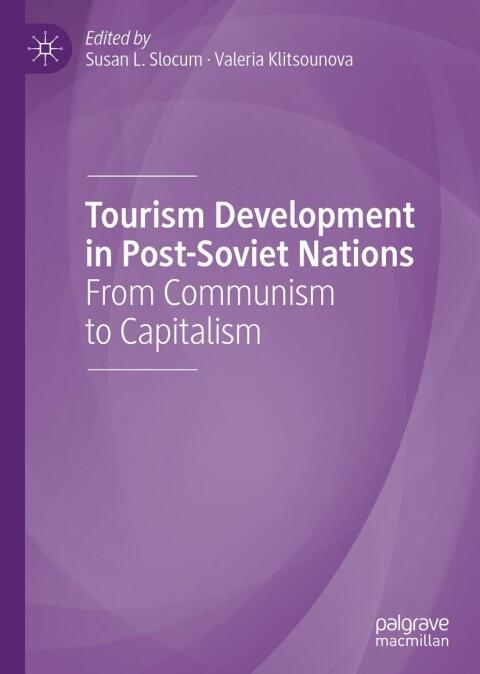
This insightful analysis delves into the complex transition of post-Soviet nations as they navigate the shift from communist policies to a capitalist framework, particularly in the realm of tourism development. With an emphasis on the unique challenges faced by these countries, it examines the transformation of their tourism industries and how they are marketing themselves to a global audience.
Cánovas uncovers the socio-economic ramifications of this shift, highlighting the intricacies of cultural heritage, infrastructure development, and government regulation. Each nation’s quest for identity in the wake of significant political change is illustrated, demonstrating how they strive to balance historical preservation with the demands of modern tourism.
Additionally, the work emphasizes the significance of strategic planning and international collaboration in ensuring sustainable tourism practices. The author offers a comprehensive perspective on how former Soviet states are reinventing their tourism sectors to attract and engage travelers, ultimately reflecting broader themes of resilience and adaptation in the global landscape.
Cánovas uncovers the socio-economic ramifications of this shift, highlighting the intricacies of cultural heritage, infrastructure development, and government regulation. Each nation’s quest for identity in the wake of significant political change is illustrated, demonstrating how they strive to balance historical preservation with the demands of modern tourism.
Additionally, the work emphasizes the significance of strategic planning and international collaboration in ensuring sustainable tourism practices. The author offers a comprehensive perspective on how former Soviet states are reinventing their tourism sectors to attract and engage travelers, ultimately reflecting broader themes of resilience and adaptation in the global landscape.
Genres
Wirtschaft & Finanzen
Reisen