

Beschreibung
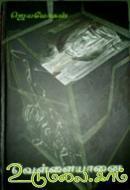
While we celebrate Chennai and its various facets such as the legacy of the British who practically founded the city, writer Jayamohan – through his yet-to-be released novel Vellai Yanai (Ezhuthu Publishers) – reminds us of the dark and cruel aspects of the colonial era. He says that the famine of 1876-78 exterminated half the Dalit population, with millions dying. And, as has been documented by historians such as Amartya Sen, Jayamohan points out that the famine was man-made and a direct outcome of British rule and Indian inhumanity. But the Dalits were not all submissive. In Vellai Yanai , Jayamohan records a protest action by 300 Dalit workers at Ice House, against the killing of a fellow worker and his wife. This short-lived labour unrest – a two-day sit in strike – has not been well documented in history books.
The book takes its name from blocks of naturally formed ice in the lakes of New England in the U.S. that were imported to India to add flavour to the evening drinks of British officials.
Ice blocks were cut into pieces at the factory and distributed throughout the country. But workers in the factory were kept in sub-human conditions. Jayamohan writes that the ice blocks would slide around like mad elephants when unpacked and could crush inexperienced hands handling them.
The protagonist of Vellai Yanai is not an Indian, but Aidan, an Irish police officer. Aidan records the condition of these workers: “Their [workers’] bodies look like small rocks covered by grey moss. Blisters adorn their necks and armpits. Blisters that gape open like mouths of small fishes.”
Aiden, while inspecting the migration of Dalits from Chengalpet to the city during the famine, is warned by Rev. Fr. Brennen, the parish priest of Royapuram, to resist the urge to throw a piece of bread to the “thin black hands” tapping his coach, crying “thora thora” (open, open).
Bodies lie on both sides of the road and the Scottish Missionaries bury them. Aidan sees children clutching one another, hiding themselves in a tree to escape from marauding dogs.
Aiden resolves to help the workers, but is helpless when he confronts a corrupt British bureaucracy. Caste Hindus – traders – have no concern whatsoever, seeing in the workers an opportunity for profit. For his efforts, Aiden is rewarded with a promotion and transfer to Tenkasi.
Jayamohan says the apathy and indifference of fellow human beings towards these poor Dalits shocked him into writing the novel. “But again whenever there is a famine, people become selfish,” he adds. “The British, who were waging wars all over the world, needed food and they rejected suggestions from officers like Aiden and allowed export of foods. Merchants sold the food for a premium while crores of people died here,” says Jayamohan.
From "The HINDU "
The book takes its name from blocks of naturally formed ice in the lakes of New England in the U.S. that were imported to India to add flavour to the evening drinks of British officials.
Ice blocks were cut into pieces at the factory and distributed throughout the country. But workers in the factory were kept in sub-human conditions. Jayamohan writes that the ice blocks would slide around like mad elephants when unpacked and could crush inexperienced hands handling them.
The protagonist of Vellai Yanai is not an Indian, but Aidan, an Irish police officer. Aidan records the condition of these workers: “Their [workers’] bodies look like small rocks covered by grey moss. Blisters adorn their necks and armpits. Blisters that gape open like mouths of small fishes.”
Aiden, while inspecting the migration of Dalits from Chengalpet to the city during the famine, is warned by Rev. Fr. Brennen, the parish priest of Royapuram, to resist the urge to throw a piece of bread to the “thin black hands” tapping his coach, crying “thora thora” (open, open).
Bodies lie on both sides of the road and the Scottish Missionaries bury them. Aidan sees children clutching one another, hiding themselves in a tree to escape from marauding dogs.
Aiden resolves to help the workers, but is helpless when he confronts a corrupt British bureaucracy. Caste Hindus – traders – have no concern whatsoever, seeing in the workers an opportunity for profit. For his efforts, Aiden is rewarded with a promotion and transfer to Tenkasi.
Jayamohan says the apathy and indifference of fellow human beings towards these poor Dalits shocked him into writing the novel. “But again whenever there is a famine, people become selfish,” he adds. “The British, who were waging wars all over the world, needed food and they rejected suggestions from officers like Aiden and allowed export of foods. Merchants sold the food for a premium while crores of people died here,” says Jayamohan.
From "The HINDU "
Buchdetails
Format
Gebundene Ausgabe
Seiten
408 Seiten
Sprache
Tamil
Veröffentlicht
Dec 1, 2013
Verlag
Ezhuthu
ISBN-10
8190425471
ISBN-13
9788190425476