

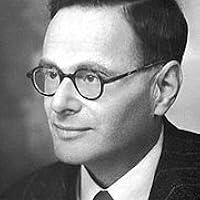
Hans Adolf Krebs
Sobre el Autor
Hans Adolf Krebs was a renowned biochemist best known for his discovery of the Krebs cycle, a crucial metabolic pathway that plays a key role in cellular respiration. Born in the Netherlands, Krebs moved to Germany for his education and later fled the Nazi regime, eventually settling in the United Kingdom. His groundbreaking work laid the foundation for modern biochemistry and has had a lasting impact on the study of metabolic processes. Krebs received the Nobel Prize in Physiology or Medicine in 1953 for his discoveries in cellular metabolism, which have been pivotal in understanding how living organisms convert food into energy.
Throughout his career, Krebs held various academic positions and contributed significantly to the field of biochemistry. His research not only advanced scientific understanding but also influenced medical practices related to metabolism and energy production in cells. Krebs was recognized for his efforts in elucidating the complexities of biochemical processes, and his legacy continues to inspire new generations of scientists in the realm of metabolic research.