

Descripción
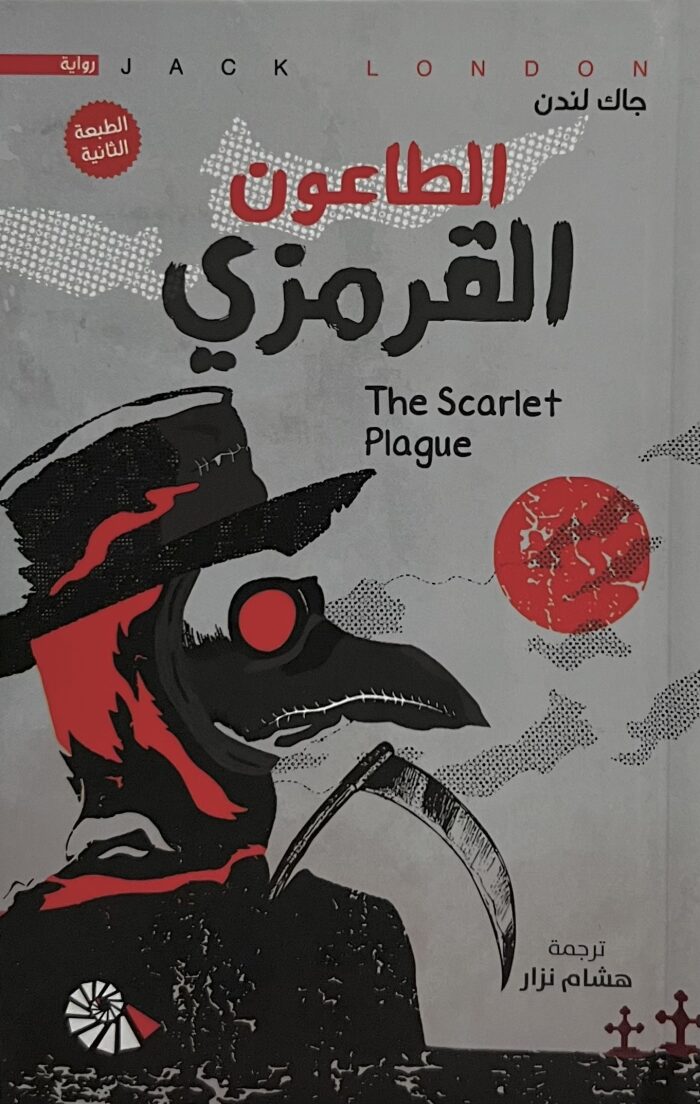
في هذه القصة نشاهد البشر وحضارتهم باكملها في مواجهة كائن دقيق في مواجهة غرائزهم الاولى ويجردهم من زخرف الحضارة والتمدن ، فلمن تكون الغلبة ؟لقد تمكن البشر من بناء هذه الحضارة في المرة الاولى فهل يتمكنون من بنائها مرة اخرى انها تلك القصة القديمة التي لا تزال تفاصيلها قابلة لان تتحقق واقعا ملموسا في عالمنا المعاصر.
Detalles del libro
Géneros
Reseñas
Ver todo
So somehow I had no idea Jack London had written a dystopian story.I suppose it is more "post-apocalyptic" than "dystopian," strictly, but the line has always been a bit fluid to me.The "scarlet plague" itself is actually scarier than most of the imagined diseases that destroy mankind, mostly because of how quickly it kills. Watching it destroy civilization was kind of terrifying, and the aftermath of things was not pretty. The speed with which the modern world became completely unimaginable to the next generation made sense, but was awful to watch.I also kind of hated most of the younger generation, because they were horrible little monsters, but that's neither here nor there.The whole story does feel very Jack London simply because we are looking at a "man versus nature, nature wins" scenario, but the wider focus (and, let me be honest, the whole "end of the world" bit) drew me in a bit more. It's still hardly what I would call "cheerful" (am I the only one for whom "To Build a Fire" was a turning-point in childhood reading?), but it is fascinating reading and something I actually wish I had been aware of before I pigeon-holed Jack London into the "cold + dogs + depressing" category. He is apparently quite capable of more than that.