

Descripción
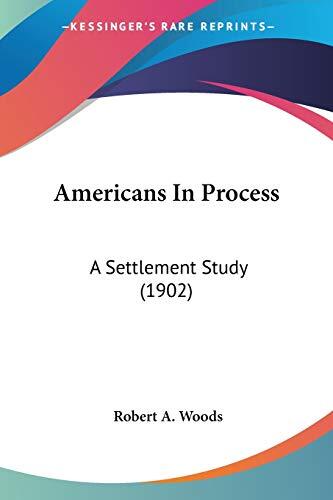
In the early 20th century, Robert A. Woods delved into the intricacies of American society through a meticulous settlement study that examined the experiences of immigrants and their integration into urban life. Woods, driven by a commitment to social reform, explored how newly arrived populations from various cultural backgrounds adapted to their new surroundings while grappling with the challenges of poverty and unfamiliarity.
The narrative follows the lives of residents in a specific immigrant neighborhood, revealing the dynamic interplay between community bonds and the pressures of modernization. Through a combination of qualitative observations and statistical analyses, Woods highlighted the resilience of individuals as they navigated their new reality, offering readers a vivid portrayal of the human experience amidst a rapidly changing landscape.
Woods's insights extend beyond mere observation; he advocated for meaningful policy changes aimed at improving the living conditions of immigrants. By placing the spotlight on the transformative power of community support, he emphasized the importance of understanding cultural identities in the process of Americanization.
This work stands as a testament to the early efforts of scholars to address social issues and sheds light on the foundations of contemporary studies in urban sociology and immigration. Woods's compassionate approach and critical examination of the settlement process continue to resonate, inviting readers to reflect on the ongoing narrative of America's evolving identity.
The narrative follows the lives of residents in a specific immigrant neighborhood, revealing the dynamic interplay between community bonds and the pressures of modernization. Through a combination of qualitative observations and statistical analyses, Woods highlighted the resilience of individuals as they navigated their new reality, offering readers a vivid portrayal of the human experience amidst a rapidly changing landscape.
Woods's insights extend beyond mere observation; he advocated for meaningful policy changes aimed at improving the living conditions of immigrants. By placing the spotlight on the transformative power of community support, he emphasized the importance of understanding cultural identities in the process of Americanization.
This work stands as a testament to the early efforts of scholars to address social issues and sheds light on the foundations of contemporary studies in urban sociology and immigration. Woods's compassionate approach and critical examination of the settlement process continue to resonate, inviting readers to reflect on the ongoing narrative of America's evolving identity.
Detalles del libro
Formato
Tapa blanda
Páginas
444 páginas
Idioma
Inglés
Publicado
Oct 2, 2007
Editorial
Kessinger Publishing, LLC
ISBN-10
0548588864
ISBN-13
9780548588864