

Descripción
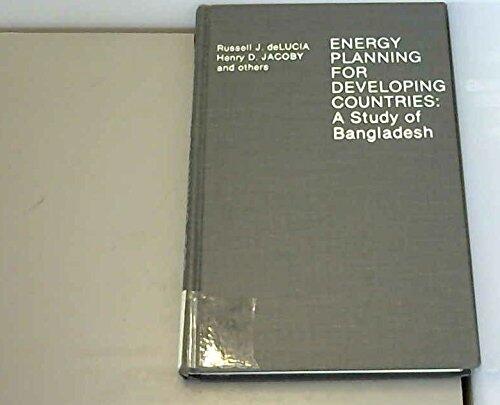
This insightful work delves into the complexities of energy planning in Bangladesh, shedding light on the challenges and opportunities that come with it. The authors, seasoned experts in their fields, draw from a wealth of research and practical experience to explore how developing countries like Bangladesh can navigate their unique energy needs. They address the pressing issues surrounding energy access, sustainability, and economic growth, providing a framework for understanding the interplay between policy, technology, and resource management.
Through a thorough examination of Bangladesh's energy landscape, the study highlights innovative strategies for addressing energy demands while considering environmental factors. The discussions unfold within a broader context of global energy trends, offering readers a comparative perspective on the approaches adopted by different nations. This makes the work relevant not only to policymakers in Bangladesh but also to those engaged in international development initiatives.
The authors emphasize the importance of collaborative efforts among stakeholders, advocating for a more inclusive approach to energy planning. By examining both the historical and current practices, the research serves as a valuable resource for anyone interested in the intricacies of energy systems in emerging economies.
In an era where energy sustainability is of utmost importance, this study stands out as a timely contribution. It not only provides essential insights into Bangladesh's energy planning but also encourages dialogue on best practices and future pathways for other developing nations facing similar challenges.
Through a thorough examination of Bangladesh's energy landscape, the study highlights innovative strategies for addressing energy demands while considering environmental factors. The discussions unfold within a broader context of global energy trends, offering readers a comparative perspective on the approaches adopted by different nations. This makes the work relevant not only to policymakers in Bangladesh but also to those engaged in international development initiatives.
The authors emphasize the importance of collaborative efforts among stakeholders, advocating for a more inclusive approach to energy planning. By examining both the historical and current practices, the research serves as a valuable resource for anyone interested in the intricacies of energy systems in emerging economies.
In an era where energy sustainability is of utmost importance, this study stands out as a timely contribution. It not only provides essential insights into Bangladesh's energy planning but also encourages dialogue on best practices and future pathways for other developing nations facing similar challenges.
Detalles del libro
Formato
Tapa dura
Páginas
320 páginas
Idioma
Inglés
Publicado
Jun 1, 1982
Editorial
The Johns Hopkins University Press
ISBN-10
0801827698
ISBN-13
9780801827693