

Descripción
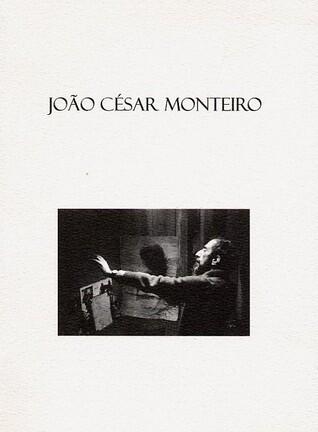
The work delves into the multifaceted persona and artistic legacy of João César Monteiro, a significant figure in the realm of cinema. Through a tapestry of essays, personal testimonials, and critical analyses, it reflects on Monteiro's distinctive approach to filmmaking and his impact on contemporary cinema. The contributors, a diverse group of filmmakers, scholars, and critics, offer varied perspectives that collectively enrich the understanding of Monteiro’s oeuvre.
Each section captures different facets of his creativity, exploring how his unique vision translated into film. The narratives included provide intimate glimpses into his working methods and philosophical underpinnings, revealing the complexities behind his acclaimed works. As renowned figures such as Manoel De Oliveira and Miguel Gomes share their insights, readers gain a deeper appreciation for his contributions to the cinematic landscape.
In addition to well-known films, the publication showcases previously unpublished texts, likely revealing unheard stories and thoughts that shaped Monteiro's artistic journey. This commitment to unearthing lesser-known aspects of his career encourages a renewed dialogue about the nature of creativity in the arts.
Ultimately, the book serves as both homage and critical reflection, ensuring that João César Monteiro's legacy endures within the broader conversation about film and its cultural relevance. Through rich commentary and vibrant discussions, it invites readers to engage with the profound nuances of his work, making it a vital resource for cinephiles and scholars alike.
Each section captures different facets of his creativity, exploring how his unique vision translated into film. The narratives included provide intimate glimpses into his working methods and philosophical underpinnings, revealing the complexities behind his acclaimed works. As renowned figures such as Manoel De Oliveira and Miguel Gomes share their insights, readers gain a deeper appreciation for his contributions to the cinematic landscape.
In addition to well-known films, the publication showcases previously unpublished texts, likely revealing unheard stories and thoughts that shaped Monteiro's artistic journey. This commitment to unearthing lesser-known aspects of his career encourages a renewed dialogue about the nature of creativity in the arts.
Ultimately, the book serves as both homage and critical reflection, ensuring that João César Monteiro's legacy endures within the broader conversation about film and its cultural relevance. Through rich commentary and vibrant discussions, it invites readers to engage with the profound nuances of his work, making it a vital resource for cinephiles and scholars alike.
Detalles del libro
Formato
Tapa blanda
Páginas
640 páginas
Idioma
Portugués
Publicado
abr. 1, 2005
Editorial
Cinemateca Portuguesa
Ediciones
2 ediciones
ISBN-13
9726192242