

Descripción
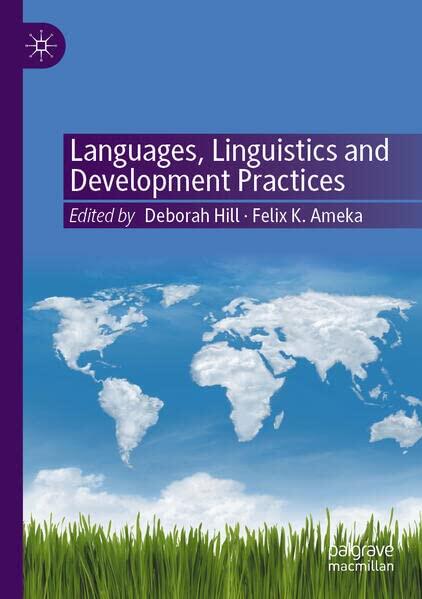
This edited volume delves into the intricate relationship between languages, linguistics, and development practices. Through a collection of insightful case studies, it highlights how linguistic diversity can influence and enhance social development initiatives. Each chapter offers a unique perspective on the significance of language in various cultural contexts, revealing the deep connection between communication and community welfare.
The authors, Deborah Hill and Felix K. Ameka, curate a range of reflections that underscore the need for understanding local languages in the formulation of effective development strategies. The contributions challenge conventional approaches and advocate for a more inclusive view that recognizes the value of linguistic heritage in shaping sustainable practices.
The book ultimately serves as a vital resource for scholars, practitioners, and policymakers seeking to bridge the gap between language and development. It emphasizes that fostering linguistic awareness is essential to creating impactful and culturally sensitive interventions that resonate with the communities they aim to serve.
The authors, Deborah Hill and Felix K. Ameka, curate a range of reflections that underscore the need for understanding local languages in the formulation of effective development strategies. The contributions challenge conventional approaches and advocate for a more inclusive view that recognizes the value of linguistic heritage in shaping sustainable practices.
The book ultimately serves as a vital resource for scholars, practitioners, and policymakers seeking to bridge the gap between language and development. It emphasizes that fostering linguistic awareness is essential to creating impactful and culturally sensitive interventions that resonate with the communities they aim to serve.
Detalles del libro
Formato
Tapa blanda
Páginas
328 páginas
Idioma
Inglés
Publicado
may. 7, 2023
Editorial
Palgrave Macmillan
Ediciones
2 ediciones
ISBN-10
3030935248
ISBN-13
9783030935245