

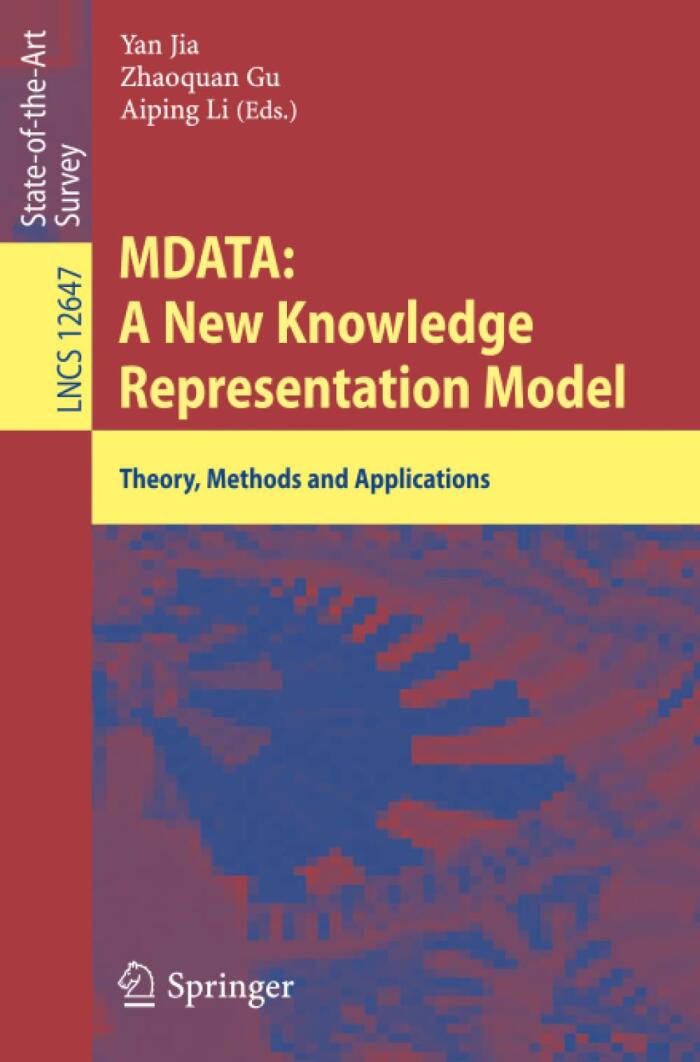
Descripción
Knowledge representation plays a crucial role in artificial intelligence, helping bridge the gap between human cognition and computational processes. This work delves into a novel model named MDATA, offering a fresh perspective on how knowledge can be structured and understood. The authors meticulously explore both the theoretical foundations and practical applications of their model, reflecting on its potential to enhance various domains, including machine learning and data analysis.
The narrative unfolds through a detailed examination of methods that underpin the MDATA framework. By integrating insights from cognitive processes, the authors illustrate how this new approach can transform the way systems interpret and leverage knowledge. Their discussions reveal the model's adaptability, providing a pathway for researchers and practitioners looking to refine their understanding of complex information structures.
Real-world applications of the MDATA model are highlighted, showcasing its versatility across different fields. From improving data retrieval methods to informing decision-making processes, the authors demonstrate how their innovative approach can lead to significant advancements in technology and human-computer interaction. The work serves as both a comprehensive guide and a source of inspiration for those eager to push the boundaries of knowledge representation.
The narrative unfolds through a detailed examination of methods that underpin the MDATA framework. By integrating insights from cognitive processes, the authors illustrate how this new approach can transform the way systems interpret and leverage knowledge. Their discussions reveal the model's adaptability, providing a pathway for researchers and practitioners looking to refine their understanding of complex information structures.
Real-world applications of the MDATA model are highlighted, showcasing its versatility across different fields. From improving data retrieval methods to informing decision-making processes, the authors demonstrate how their innovative approach can lead to significant advancements in technology and human-computer interaction. The work serves as both a comprehensive guide and a source of inspiration for those eager to push the boundaries of knowledge representation.
Detalles del libro
Formato
Tapa blanda
Páginas
268 páginas
Idioma
Inglés
Publicado
Mar 7, 2021
Editorial
Springer
Ediciones
2 editions
ISBN-10
3030715892
ISBN-13
9783030715892