

Detalles del libro
Formato
Tapa blanda
Páginas
324
Idioma
Inglés
Publicado
Jun 21, 2022
Editorial
Indiana University Press
ISBN-10
0253062209
ISBN-13
9780253062208
Descripción
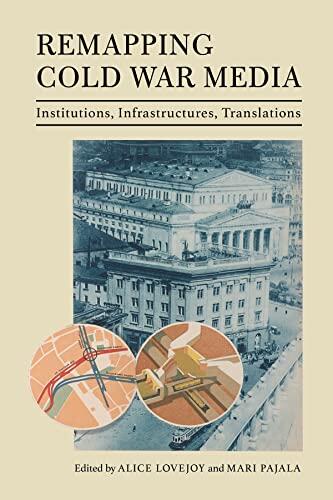
This book delves into the complex interplay of media during the Cold War era, exploring how communication, culture, and politics intertwined to shape global narratives. It examines various institutions that played pivotal roles in disseminating information, including government organizations, news agencies, and cultural institutions, highlighting their influence on public perception and ideology.
Through a thorough analysis of media infrastructures, it reveals the technological advancements and logistical frameworks that made communication across borders possible. The authors pay particular attention to how these infrastructures were strategically utilized to project power and counter rival narratives, not only in traditional media but also in emerging platforms.
Additionally, the book investigates the translations of cultural products—films, literature, broadcasts—from one country to another, illuminating the nuances of cultural exchange and ideological battle. It captures the tensions involved in translating messages that often had significant political implications.
Overall, this work offers a fresh perspective on the legacy of Cold War media, emphasizing the importance of understanding its historical context to grasp contemporary communications dynamics. It serves as a vital resource for scholars and enthusiasts of history, media studies, and international relations.
Through a thorough analysis of media infrastructures, it reveals the technological advancements and logistical frameworks that made communication across borders possible. The authors pay particular attention to how these infrastructures were strategically utilized to project power and counter rival narratives, not only in traditional media but also in emerging platforms.
Additionally, the book investigates the translations of cultural products—films, literature, broadcasts—from one country to another, illuminating the nuances of cultural exchange and ideological battle. It captures the tensions involved in translating messages that often had significant political implications.
Overall, this work offers a fresh perspective on the legacy of Cold War media, emphasizing the importance of understanding its historical context to grasp contemporary communications dynamics. It serves as a vital resource for scholars and enthusiasts of history, media studies, and international relations.
Géneros
Acción y Aventura
Historia
Arte y Fotografía