جزئیات کتاب
فرمت
جلد نرم
صفحات
72
زبان
انگلیسی
منتشر شده
Mar 30, 2007
ناشر
Centre for Addiction and Mental Health
نسخه
Revised ed.
ISBN-10
088868469X
ISBN-13
9780888684691
توضیحات
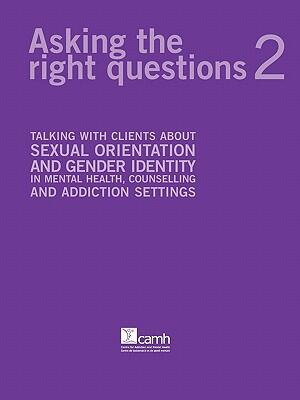
This essential resource delves into the complexities of engaging with clients about sexual orientation and gender identity within mental health, counseling, and addiction contexts. It offers practitioners valuable insights and tools to foster open and empathetic dialogue, ultimately enhancing the therapeutic relationship. The authors, experts in their fields, emphasize the importance of understanding and affirming diverse identities to create an inclusive space for healing.
Through a combination of practical strategies and evidence-based approaches, the book guides professionals on how to navigate sensitive conversations. It addresses common barriers and fears that may arise, equipping readers with the confidence to approach these discussions thoughtfully. Chapters are enriched with real-life scenarios and reflective exercises that encourage deeper consideration of personal biases and cultural contexts.
Moreover, the authors highlight the significance of allyship and advocacy in the field of mental health. By emphasizing shared experiences and the importance of validating clients’ identities, the work provides a framework for compassion-driven counseling practices.
In an ever-evolving social landscape, this resource stands out as a critical tool for mental health professionals seeking to enhance their competence in discussing sexuality and gender with clients, ultimately leading to more effective and meaningful support.
Through a combination of practical strategies and evidence-based approaches, the book guides professionals on how to navigate sensitive conversations. It addresses common barriers and fears that may arise, equipping readers with the confidence to approach these discussions thoughtfully. Chapters are enriched with real-life scenarios and reflective exercises that encourage deeper consideration of personal biases and cultural contexts.
Moreover, the authors highlight the significance of allyship and advocacy in the field of mental health. By emphasizing shared experiences and the importance of validating clients’ identities, the work provides a framework for compassion-driven counseling practices.
In an ever-evolving social landscape, this resource stands out as a critical tool for mental health professionals seeking to enhance their competence in discussing sexuality and gender with clients, ultimately leading to more effective and meaningful support.
ژانرها
الجیبیتیکیو+
سلامت و تندرستی