

جزئیات کتاب
فرمت
جلد نرم
صفحات
66
زبان
انگلیسی
منتشر شده
Jun 30, 2014
ناشر
RAND Corporation
ISBN-10
0833082086
ISBN-13
9780833082084
توضیحات
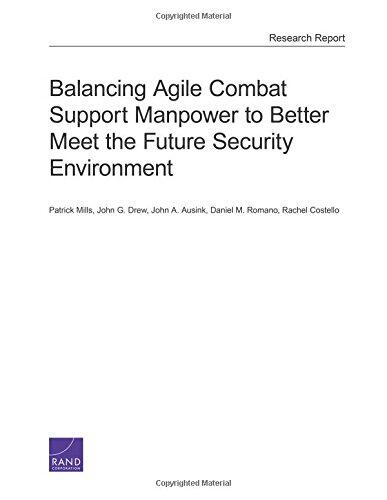
Set against the backdrop of an increasingly complex security landscape, a group of authors explores the intricacies of agile combat support and its crucial role in military operations. They delve into how effective manpower management can bridge gaps in service efficiency and readiness, ensuring that armed forces can respond swiftly to emerging challenges.
Through a mix of analysis and strategic foresight, the authors dissect current methodologies for manpower allocation, highlighting the need for a more adaptable workforce that can pivot in response to unforeseen scenarios. Their examination reveals potential pitfalls in traditional staffing models, advocating for innovative approaches that prioritize flexibility and resilience.
Additionally, the narrative addresses the importance of training and development for personnel, suggesting that a well-prepared team not only enhances operational effectiveness but also sustains morale and cohesion amidst the pressures of modern combat. By identifying key trends and potential future threats, the authors provide actionable insights for policymakers and military leaders alike.
Overall, the work serves as a vital contribution to discussions on future military capabilities, emphasizing that a strategic overhaul of support manpower can significantly improve the agility and preparedness of forces in an evolving global security environment.
Through a mix of analysis and strategic foresight, the authors dissect current methodologies for manpower allocation, highlighting the need for a more adaptable workforce that can pivot in response to unforeseen scenarios. Their examination reveals potential pitfalls in traditional staffing models, advocating for innovative approaches that prioritize flexibility and resilience.
Additionally, the narrative addresses the importance of training and development for personnel, suggesting that a well-prepared team not only enhances operational effectiveness but also sustains morale and cohesion amidst the pressures of modern combat. By identifying key trends and potential future threats, the authors provide actionable insights for policymakers and military leaders alike.
Overall, the work serves as a vital contribution to discussions on future military capabilities, emphasizing that a strategic overhaul of support manpower can significantly improve the agility and preparedness of forces in an evolving global security environment.