

جزئیات کتاب
فرمت
جلد نرم
صفحات
22
زبان
انگلیسی
منتشر شده
Oct 9, 2020
ناشر
Saint Philip Street Press
ISBN-10
101328612X
ISBN-13
9781013286124
توضیحات
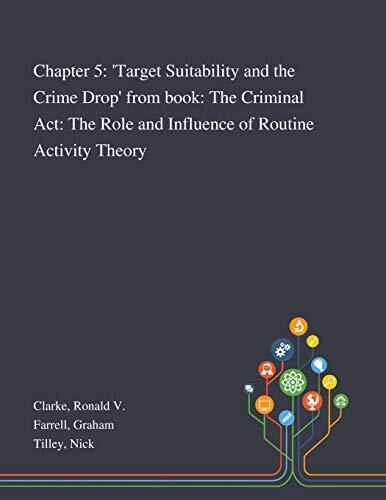
In the fifth chapter, the authors delve into the intricate relationship between target suitability and the observed decline in crime rates. They explore how changes in the environment, technology, and social dynamics have shifted the landscape of criminal activity. By closely examining the principles of Routine Activity Theory, Clarke, Farrell, and Tilley emphasize the importance of target selection in the context of crime prevention.
Through meticulously gathered data and real-world examples, the chapter illustrates how certain targets become more or less appealing to potential offenders. The authors argue that understanding these dynamics can provide valuable insights for policymakers and law enforcement strategies aimed at reducing crime. By adapting to the evolving nature of crime, communities can better protect themselves and mitigate risks.
The authors also highlight the role of social factors, such as community engagement and urban development, in influencing crime trends. Their analysis reflects a shift towards proactive measures, encouraging a more informed approach to safety and crime deterrence. Each paragraph encapsulates the essence of what makes this discussion relevant, inviting readers to think critically about the intersections of crime, environment, and societal behavior.
Overall, this chapter not only contributes to academic discourse but also serves as a practical guide for those interested in understanding how targeted crime prevention strategies can shape a safer society.
Through meticulously gathered data and real-world examples, the chapter illustrates how certain targets become more or less appealing to potential offenders. The authors argue that understanding these dynamics can provide valuable insights for policymakers and law enforcement strategies aimed at reducing crime. By adapting to the evolving nature of crime, communities can better protect themselves and mitigate risks.
The authors also highlight the role of social factors, such as community engagement and urban development, in influencing crime trends. Their analysis reflects a shift towards proactive measures, encouraging a more informed approach to safety and crime deterrence. Each paragraph encapsulates the essence of what makes this discussion relevant, inviting readers to think critically about the intersections of crime, environment, and societal behavior.
Overall, this chapter not only contributes to academic discourse but also serves as a practical guide for those interested in understanding how targeted crime prevention strategies can shape a safer society.