

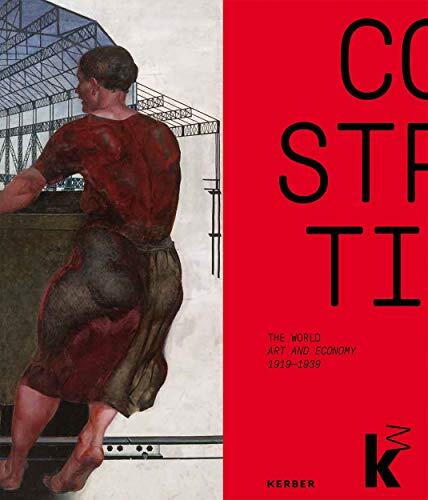
جزئیات کتاب
فرمت
جلد نرم
صفحات
400
زبان
انگلیسی
منتشر شده
Jun 25, 2019
ناشر
Kerber
ISBN-10
3735604587
ISBN-13
9783735604583
توضیحات
In the years between two tumultuous world wars, a vibrant dialogue between art and economy emerged, shaping the cultural landscape of the time. This exploration dives deep into how various artistic movements and economic ideologies intertwined, revealing a complex interplay that influenced societal values and creative expressions. Through the eyes of a diverse group of scholars, the text examines the rise of realism, abstraction, and avant-garde movements, marking a period of profound transformation.
With contributions from esteemed authors, this work delves into significant regional variations and highlights the cross-cultural exchanges that defined the era. Each chapter offers a unique perspective, linking the economic conditions of the time to the evolving artistic practices, showcasing how artists responded to the challenges and aspirations of their societies. The rich visual history presented invites readers to appreciate not only the aesthetic outcomes but also the underlying socio-political currents that propelled these developments.
Ultimately, the narrative underscores the importance of art as a reflection and critique of economic realities, asserting its role in shaping collective identities and cultural heritage during a pivotal period. This comprehensive study serves as an essential resource for understanding the profound connections between creativity and commerce, urging readers to reflect on how historical contexts continue to influence contemporary artistic landscapes.
With contributions from esteemed authors, this work delves into significant regional variations and highlights the cross-cultural exchanges that defined the era. Each chapter offers a unique perspective, linking the economic conditions of the time to the evolving artistic practices, showcasing how artists responded to the challenges and aspirations of their societies. The rich visual history presented invites readers to appreciate not only the aesthetic outcomes but also the underlying socio-political currents that propelled these developments.
Ultimately, the narrative underscores the importance of art as a reflection and critique of economic realities, asserting its role in shaping collective identities and cultural heritage during a pivotal period. This comprehensive study serves as an essential resource for understanding the profound connections between creativity and commerce, urging readers to reflect on how historical contexts continue to influence contemporary artistic landscapes.