توضیحات
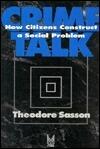
In exploring the nuances of crime perception in America, Theodore Sasson delves into how citizens shape their understanding of crime as a social problem. This insightful examination reveals the complexities behind public attitudes and beliefs regarding crime rates, often influenced by media representation and personal experiences.
Sasson outlines how fear and perception can distort reality, leading communities to respond to crime in ways that may not necessarily align with statistical evidence. He emphasizes that these constructed narratives around crime can have far-reaching implications for policies and community behavior, affecting everything from policing practices to social initiatives.
Through a blend of research and real-world examples, the work takes readers on a journey into the psyche of societal concerns, illustrating that crime is not just a matter of statistics but a deeply ingrained social construct. As he dissects these phenomena, Sasson encourages critical reflection on how the narratives we tell can shape the fabric of our neighborhoods and national discourse.
Ultimately, this exploration serves as a call to reassess the narratives we hold about crime and its impact on society, inviting readers to engage more thoughtfully with the ways communities respond to crime and to question the validity of their own perceptions.
Sasson outlines how fear and perception can distort reality, leading communities to respond to crime in ways that may not necessarily align with statistical evidence. He emphasizes that these constructed narratives around crime can have far-reaching implications for policies and community behavior, affecting everything from policing practices to social initiatives.
Through a blend of research and real-world examples, the work takes readers on a journey into the psyche of societal concerns, illustrating that crime is not just a matter of statistics but a deeply ingrained social construct. As he dissects these phenomena, Sasson encourages critical reflection on how the narratives we tell can shape the fabric of our neighborhoods and national discourse.
Ultimately, this exploration serves as a call to reassess the narratives we hold about crime and its impact on society, inviting readers to engage more thoughtfully with the ways communities respond to crime and to question the validity of their own perceptions.
جزئیات کتاب
فرمت
جلد سخت
صفحات
210 صفحه
زبان
انگلیسی
منتشر شده
Oct 23, 1995
ناشر
De Gruyter
نسخهها
2 editions
ISBN-10
0202305465
ISBN-13
9780202305462