

توضیحات
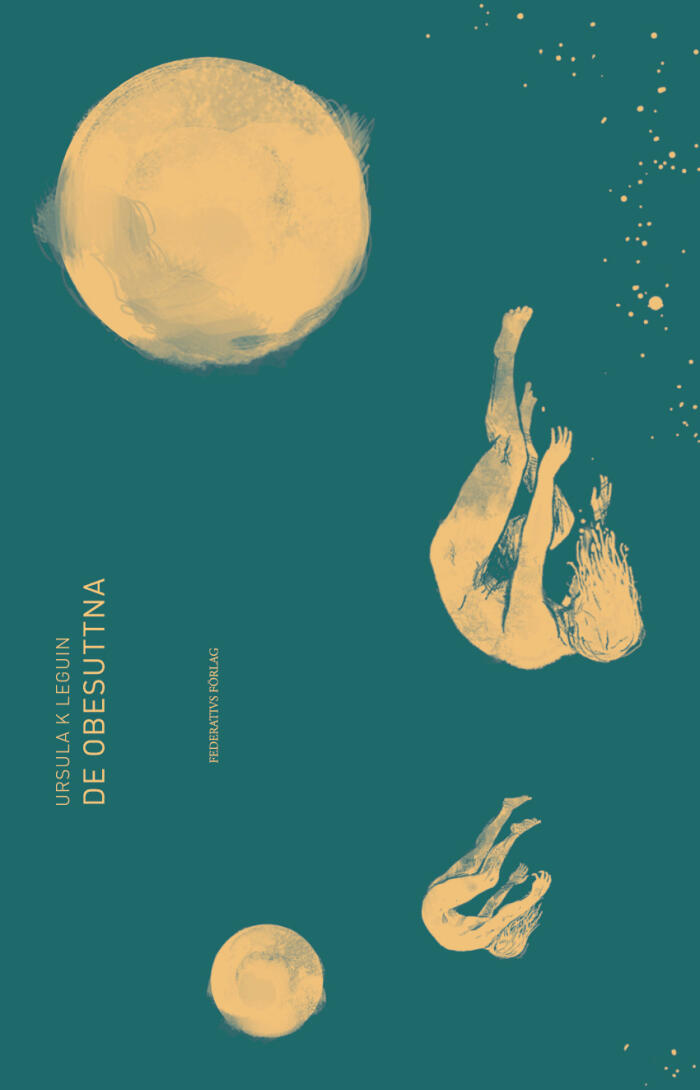
Genom en fängslande berättelse bjuder författarna på en djupgående analys av sociala strukturer och de subtila dynamiker som styr människors interaktioner. Det är en resa fylld av insikter och tankeväckande teman som tvingar läsaren att reflektera över egna värderingar och den verklighet vi lever i. Framtiden skildras med en blandning av hopp och skepticism, vilket gör berättelsen både relevant och tidlös.
Karaktärerna på Anarres kämpar med sina egna inre demoner samtidigt som de försöker upprätthålla ett idealistiskt samhälle. Deras kamp för att hitta sin plats i en oförsonlig värld speglar mänsklighetens eviga strävan efter mening och samhörighet. Berättelsen väcker frågor om hur mycket av våra ambitioner och ideal vi är beredda att offra för gemenskapens skull och vad som krävs för verklig förändring.
جزئیات کتاب
ژانرها
نقدها
مشاهده همه
Ursula K. Le Guin’s The Dispossessed is a thought-provoking exploration of political and social ideologies, wrapped in a science fiction narrative that’s as cerebral as it is engaging. Published in 1974, this Hugo and Nebula Award-winning novel follows Shevek, a physicist from the anarcho-syndicalist planet of Anarres, as he navigates the complexities of his own society and the contrasting capitalist world of Urras. Le Guin’s ability to craft a story that’s both a character study and a philosophical treatise is remarkable, though the ending left me wanting a different resolution for Shevek and his partner, Takver. What Works:Le Guin’s world-building is exceptional. Anarres, with its collectivist, resource-scarce society, feels vividly real, from its communal ethos to the subtle tensions of conformity masquerading as freedom. Urras, by contrast, is lush and stratified, exposing the seductive yet corrosive nature of wealth and power. Shevek’s journey between these worlds serves as a lens to examine individualism, collectivism, and the gray areas in between. His struggles—balancing personal loyalty to Takver and their child with his scientific ambitions—are deeply human and relatable. The nonlinear narrative, alternating between Shevek’s past on Anarres and his present on Urras, keeps the pacing dynamic while revealing the roots of his disillusionment. Le Guin’s prose is precise yet poetic, with moments of profound insight, like her depiction of Anarres’ arid beauty or the quiet intimacy of Shevek and Takver’s bond. The novel’s exploration of time and physics, woven into Shevek’s development of the ansible (a device enabling instantaneous communication across space), adds intellectual heft without overwhelming the story. What Holds It Back:While the novel’s ideas are its strength, they occasionally overshadow the characters. Some secondary figures, like Shevek’s childhood friends or Urrasti contacts, feel more like archetypes than fully fleshed-out individuals, serving primarily to illustrate ideological points. The pacing, especially in the Anarres chapters, can drag during lengthy philosophical debates, which may test readers looking for more action-driven sci-fi. My biggest qualm is the ending. Without spoiling too much, Shevek’s arc concludes in a way that feels true to the novel’s themes of sacrifice and ambiguity but left me emotionally unsatisfied. I would have preferred a resolution where Takver, who represents Shevek’s emotional anchor, to see him back home instead of just ending it right there, providing a sense of personal closure alongside the broader political implications. Her absence in the final scenes made the ending feel colder than I’d hoped, given their heartfelt connection earlier. Overall:The Dispossessed is a brilliant, if imperfect, novel that challenges readers to question societal structures and personal loyalties. Le Guin’s ability to blend speculative fiction with political philosophy is masterful, and Shevek’s journey is both inspiring and haunting. While the ending didn’t fully resonate with me it’s a testament to Le Guin’s skill that I cared so deeply about these characters. At 3.75/5 stars, it’s a must-read for fans of introspective sci-fi, though it may not satisfy those craving a tidy or emotionally warm conclusion.

Este livro me arrancou completamente da minha zona de conforto, uma vez que nunca havia lido algo tão único. No início, estava completamente perdida, questionando se minha imaginação seria suficiente para compreender o enredo. Os nomes complexos dos personagens e a intrincada trama política no início tornavam a leitura desafiadora, mas curiosamente intrigante ao descobrir como um planeta totalmente diferente opera, desde sua cultura até os comportamentos cotidianos. Confesso que, devido à minha lentidão, algumas nuances ainda estão escapando, mas não atribuo isso à complexidade da escrita, e sim à minha própria velocidade.Ao atingir os 15% do livro, percebi que estava imersa em filosofia. Nunca havia lido tanto sobre o tema, nem mesmo durante os dias de escola. Fiquei impressionada com a quantidade de ideias filosóficas apresentadas, e se tudo isso foi fruto da imaginação da autora, meus parabéns a ela. A leitura desse livro proporciona uma sensação de inteligência, mesmo que compreender algumas teorias sobre física, tempo e espaço exija múltiplas releituras.É fascinante observar como o personagem principal explora as teorias de forma envolvente, mas, confesso, após algum tempo, a densidade filosófica começou a se tornar maçante. Chegou um ponto em que estava apenas lendo por ler, sem esforço para pensar nas teorias apresentadas. Apesar disso, a abordagem única de mostrar dois pontos de vista, entre passado e presente, é uma característica que me agradou, embora às vezes eu me confunda.No entanto, à medida que a narrativa avançava, minha apreciação pelo personagem principal diminuiu. Suas atitudes, especialmente aquelas relacionadas ao capitulo 7, tornaram-se uma fonte de desconforto. Isso acrescentou uma camada adicional de complexidade à história, despertando sentimentos ambivalentes em relação à minha compreensão do protagonista.Este é o primeiro livro que leio da autora, e estou ansiosa para explorar outras obras de sua autoria.