جزئیات کتاب
فرمت
جلد نرم
صفحات
116
زبان
انگلیسی
منتشر شده
Mar 30, 2001
ناشر
Jossey-Bass
نسخه
1
ISBN-10
0787957550
ISBN-13
9780787957551
توضیحات
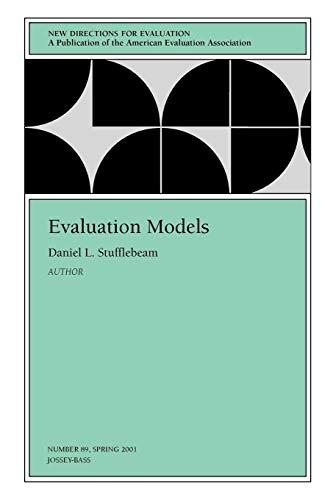
In a landscape where program evaluation methods are continually evolving, this work serves as a crucial guide for evaluators navigating these complexities. It emphasizes the importance of regularly reassessing the diverse approaches that can be employed, ensuring that strategies remain effective and relevant. Daniel L. Stufflebeam, a respected authority in the field, invites readers to engage in a critical reflection on evaluation practices and the implications of their choices.
Stufflebeam offers insights into contemporary models, highlighting the need for flexibility and adaptability in evaluation techniques. He encourages evaluators to deepen their understanding of how different methodologies can be applied in various contexts, addressing the necessity for evaluators to not only choose a model but to also understand its impact on the evaluation process.
Throughout the narrative, he underscores the role of empirical evidence in shaping evaluations, suggesting that a well-grounded approach leads to more meaningful outcomes. His perspective fosters an appreciation for the intricacies of program evaluation, asserting that thorough consideration of models can lead to enhanced effectiveness in policy-making and program development.
Overall, this work is not just an exploration of evaluation methodologies; it is a call to action for evaluators to engage thoughtfully with their practices. By reflecting on the breadth of evaluation models, practitioners can contribute to advancing the field, ultimately ensuring that evaluations serve their intended purpose and deliver substantive benefits to programs and their stakeholders.
Stufflebeam offers insights into contemporary models, highlighting the need for flexibility and adaptability in evaluation techniques. He encourages evaluators to deepen their understanding of how different methodologies can be applied in various contexts, addressing the necessity for evaluators to not only choose a model but to also understand its impact on the evaluation process.
Throughout the narrative, he underscores the role of empirical evidence in shaping evaluations, suggesting that a well-grounded approach leads to more meaningful outcomes. His perspective fosters an appreciation for the intricacies of program evaluation, asserting that thorough consideration of models can lead to enhanced effectiveness in policy-making and program development.
Overall, this work is not just an exploration of evaluation methodologies; it is a call to action for evaluators to engage thoughtfully with their practices. By reflecting on the breadth of evaluation models, practitioners can contribute to advancing the field, ultimately ensuring that evaluations serve their intended purpose and deliver substantive benefits to programs and their stakeholders.
ژانرها
علم و فناوری
تاریخ
روانشناسی