

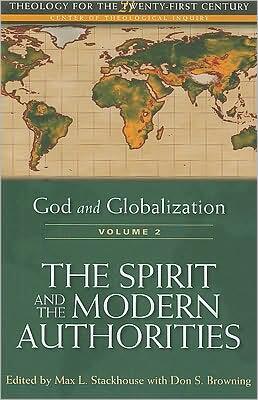
جزئیات کتاب
فرمت
جلد نرم
صفحات
260
زبان
انگلیسی
منتشر شده
Mar 15, 2009
ناشر
T&T Clark
نسخه
1
ISBN-10
0567007057
ISBN-13
9780567007056
توضیحات
In a world increasingly interconnected by globalization, the intersection of spirituality and modern authority presents both challenges and opportunities. Through a thoughtful exploration, the author delves into how contemporary global forces shape religious practices and beliefs. It raises essential questions about the role of faith amidst secular institutions and the moral implications of rapid change.
The work emphasizes the dynamic relationship between global social movements and religious ideologies, examining how traditions adapt in response to shifting societal norms. By analyzing various faith perspectives, the author sheds light on the complexities of modern spirituality, highlighting the struggles for relevance many religions face today.
Additionally, the text critiques the often conflicting narratives propagated by those in power, urging a reevaluation of authority through a spiritual lens. The author encourages readers to consider the spiritual dimensions of ethical leadership in a globalized context, suggesting that faith can serve as a guide in navigating contemporary moral dilemmas.
Ultimately, this exploration invites reflection on the enduring significance of spirituality as humanity confronts the challenges of an ever-evolving world. The dialogue sparked within these pages is crucial for anyone seeking to understand the multifaceted relationship between faith and global transformation.
The work emphasizes the dynamic relationship between global social movements and religious ideologies, examining how traditions adapt in response to shifting societal norms. By analyzing various faith perspectives, the author sheds light on the complexities of modern spirituality, highlighting the struggles for relevance many religions face today.
Additionally, the text critiques the often conflicting narratives propagated by those in power, urging a reevaluation of authority through a spiritual lens. The author encourages readers to consider the spiritual dimensions of ethical leadership in a globalized context, suggesting that faith can serve as a guide in navigating contemporary moral dilemmas.
Ultimately, this exploration invites reflection on the enduring significance of spirituality as humanity confronts the challenges of an ever-evolving world. The dialogue sparked within these pages is crucial for anyone seeking to understand the multifaceted relationship between faith and global transformation.