

جزئیات کتاب
فرمت
جلد نرم
زبان
ایتالیایی
منتشر شده
Sep 2, 2009
ناشر
Marsilio
ISBN-10
8831798375
ISBN-13
9788831798372
توضیحات
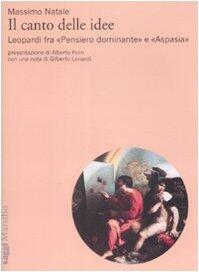
In this insightful exploration, Massimo Natale delves into the philosophical evolution of Giacomo Leopardi, illustrating how the poet's views on innate ideas set him apart from his predecessors. Leopardi's early rejection of Platonic ideals marks the beginning of his journey towards skepticism and a deeper understanding of human thought and existence. His departure from the notion of an absolute truth weaves a rich narrative that highlights the complexities of his philosophical stance.
Natale artfully contrasts Leopardi's thoughts with those of his contemporaries, painting a vivid picture of a thinker caught in the throes of existential inquiry. He examines the poet's struggle between the dominant ideas of his time and his quest for a more authentic understanding of life. This tension reveals Leopardi's profound sensitivity to the human condition and the limitations of reason, culminating in a philosophy that celebrates both the beauty and the tragedy of existence.
Furthermore, the exploration of Leopardi's relationship with Aspasia underscores the interplay between personal experience and philosophical thought. This connection serves as a lens through which Natale reveals the underlying themes of love, longing, and the search for meaning. The author skillfully navigates these intricate relationships, providing the reader with a nuanced appreciation of Leopardi's intellectual landscape.
Ultimately, Natalie's work invites readers to reflect on the broader implications of Leopardi's philosophy. It challenges them to consider the ways in which ideas shape our understanding of reality, encouraging a deeper engagement with the complexities of thought in a world where certainty remains elusive.
Natale artfully contrasts Leopardi's thoughts with those of his contemporaries, painting a vivid picture of a thinker caught in the throes of existential inquiry. He examines the poet's struggle between the dominant ideas of his time and his quest for a more authentic understanding of life. This tension reveals Leopardi's profound sensitivity to the human condition and the limitations of reason, culminating in a philosophy that celebrates both the beauty and the tragedy of existence.
Furthermore, the exploration of Leopardi's relationship with Aspasia underscores the interplay between personal experience and philosophical thought. This connection serves as a lens through which Natale reveals the underlying themes of love, longing, and the search for meaning. The author skillfully navigates these intricate relationships, providing the reader with a nuanced appreciation of Leopardi's intellectual landscape.
Ultimately, Natalie's work invites readers to reflect on the broader implications of Leopardi's philosophy. It challenges them to consider the ways in which ideas shape our understanding of reality, encouraging a deeper engagement with the complexities of thought in a world where certainty remains elusive.