

جزئیات کتاب
فرمت
جلد نرم
صفحات
144
زبان
انگلیسی
منتشر شده
May 17, 2010
ناشر
W. W. Norton & Company
نسخه
Illustrated
ISBN-10
0393733165
ISBN-13
9780393733167
توضیحات
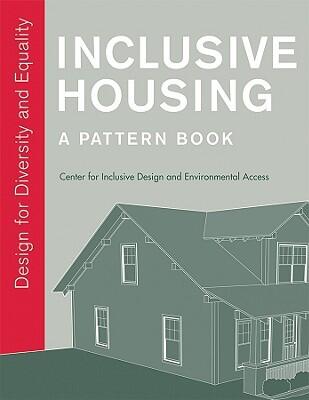
This book serves as a vital resource for architects, urban planners, and community organizers, offering innovative approaches to housing that prioritize diversity and equality. It emphasizes the importance of designing spaces that accommodate the varied needs of all individuals, fostering an inclusive environment where everyone feels welcome and supported.
By presenting a comprehensive collection of design patterns, the authors illustrate practical solutions to common challenges associated with accessible housing. Readers will explore how thoughtful design can mitigate barriers for people with disabilities, families with children, and older adults, ensuring that communities are not just physically accessible but also socially engaging.
The patterns encourage a collaborative mindset, inviting stakeholders to contribute to the creation of spaces that reflect the rich diversity of the communities they serve. This inclusive perspective emphasizes that good design is not just for the few, but a right for all.
Ultimately, the work champions the idea that inclusive housing is fundamental to building thriving, vibrant communities where everyone has the opportunity to flourish. Through this thoughtful approach, it sparks crucial conversations about equity in housing and lays the groundwork for future advancements in inclusive design.
By presenting a comprehensive collection of design patterns, the authors illustrate practical solutions to common challenges associated with accessible housing. Readers will explore how thoughtful design can mitigate barriers for people with disabilities, families with children, and older adults, ensuring that communities are not just physically accessible but also socially engaging.
The patterns encourage a collaborative mindset, inviting stakeholders to contribute to the creation of spaces that reflect the rich diversity of the communities they serve. This inclusive perspective emphasizes that good design is not just for the few, but a right for all.
Ultimately, the work champions the idea that inclusive housing is fundamental to building thriving, vibrant communities where everyone has the opportunity to flourish. Through this thoughtful approach, it sparks crucial conversations about equity in housing and lays the groundwork for future advancements in inclusive design.