

جزئیات کتاب
فرمت
کیندل
صفحات
498
زبان
فرانسوی
منتشر شده
Feb 7, 2019
ناشر
Le Seuil
ISBN-10
2021310736
ISBN-13
9782021310733
توضیحات
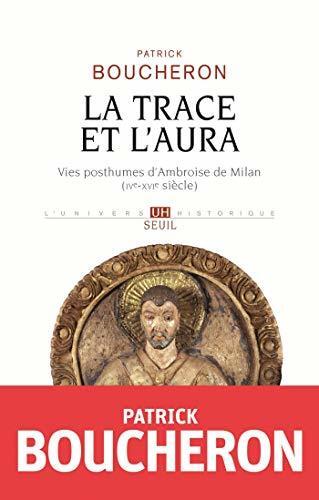
In this exploration of the complex legacy of Ambroise de Milan, the author delves into the intricate interplay between memory and history. Through the centuries, the figure of Ambroise has been shaped, reshaped, and often debated, reflecting the broader tensions and transformations within society from the fourth to the sixteenth century. The narrative reveals how his memory has been constructed and contested, mirroring the political and cultural landscapes of different eras.
The text examines the myriad ways in which Ambroise's influence extends beyond his lifetime, casting a long shadow over subsequent generations. Boucheron meticulously traces the evolution of Ambroise’s image, illustrating how it has been used for divergent purposes by various groups throughout history. Such an examination invites readers to consider the often convoluted relationship between historical truths and the narratives that emerge around them.
As the author crafts this historical tapestry, he illuminates the trends of memorialization and the ideologies that accompany them. The book serves not only as a scholarly inquiry into Ambroise's life and afterlife but also as a broader commentary on the nature of historical memory itself. In doing so, it prompts readers to reflect on how our understanding of history is continually reshaped by cultural forces.
In this compelling study, Boucheron invites a reconsideration of figures like Ambroise de Milan, urging contemporary readers to engage with the complexities of historical narratives. The journey through his posthumous life reveals much about collective memory and the ongoing dialogue between the past and present, making this work a significant contribution to the discourse on history and memory.
The text examines the myriad ways in which Ambroise's influence extends beyond his lifetime, casting a long shadow over subsequent generations. Boucheron meticulously traces the evolution of Ambroise’s image, illustrating how it has been used for divergent purposes by various groups throughout history. Such an examination invites readers to consider the often convoluted relationship between historical truths and the narratives that emerge around them.
As the author crafts this historical tapestry, he illuminates the trends of memorialization and the ideologies that accompany them. The book serves not only as a scholarly inquiry into Ambroise's life and afterlife but also as a broader commentary on the nature of historical memory itself. In doing so, it prompts readers to reflect on how our understanding of history is continually reshaped by cultural forces.
In this compelling study, Boucheron invites a reconsideration of figures like Ambroise de Milan, urging contemporary readers to engage with the complexities of historical narratives. The journey through his posthumous life reveals much about collective memory and the ongoing dialogue between the past and present, making this work a significant contribution to the discourse on history and memory.