

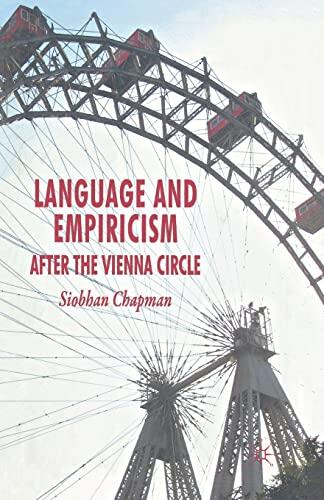
توضیحات
S. Chapman delves into the intricate relationship between language and empiricism, particularly in the context of the philosophical developments that emerged after the influential Vienna Circle. The book invites readers on an intellectual journey, exploring how the concepts of verification and logical analysis shape our understanding of knowledge and meaning. Chapman meticulously examines the legacy of the Vienna Circle's members and their quest for a scientific worldview, questioning the boundaries of language in conveying empirical truths.
Throughout the exploration, Chapman highlights the transformation of philosophical discourse and its implications for contemporary thought. The narrative navigates through pivotal debates about the nature of meaning, the role of observation in language, and the challenges posed by ambiguity and context. Bringing clarity to complex theories, the author engages with key thinkers and lays bare the implications of empirical verification on linguistic practices and philosophical inquiry.
Ultimately, the work urges readers to reconsider the foundational aspects of language, encouraging a deeper reflection on how empirical understanding shapes human communication. By bridging historical context with modern inquiries, the text serves as an essential guide for those interested in the intersections of philosophy, linguistics, and the scientific method.
Throughout the exploration, Chapman highlights the transformation of philosophical discourse and its implications for contemporary thought. The narrative navigates through pivotal debates about the nature of meaning, the role of observation in language, and the challenges posed by ambiguity and context. Bringing clarity to complex theories, the author engages with key thinkers and lays bare the implications of empirical verification on linguistic practices and philosophical inquiry.
Ultimately, the work urges readers to reconsider the foundational aspects of language, encouraging a deeper reflection on how empirical understanding shapes human communication. By bridging historical context with modern inquiries, the text serves as an essential guide for those interested in the intersections of philosophy, linguistics, and the scientific method.
جزئیات کتاب
فرمت
جلد نرم
صفحات
196 صفحه
زبان
انگلیسی
منتشر شده
ژانویه 1, 2008
ناشر
Palgrave Macmillan
نسخه
1st ed. 2008
ISBN-10
1349357189
ISBN-13
9781349357185