

جزئیات کتاب
فرمت
کیندل
صفحات
128
زبان
فرانسوی
منتشر شده
Jan 1, 2016
ناشر
Que sais-je ?
نسخه
3
ISBN-10
2130748651
ISBN-13
9782130748656
توضیحات
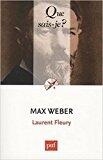
Max Weber's untimely death in 1920 at the age of fifty-six left a profound mark on sociological and economic thought. Laurent Fleury delves into Weber’s life and work, shedding light on the enduring relevance of his theories and insights. The book explores Weber's contributions to understanding modern society, particularly through his analysis of bureaucracy, authority, and the impact of culture on economic behavior.
Fleury meticulously unpacks Weber’s key concepts, presenting them in a manner that is accessible to both scholars and general readers. By contextualizing Weber’s ideas within the socio-political landscape of his time, he highlights how they resonate with contemporary issues. The narrative brings to life the intellectual rigor that characterized Weber's approach, illustrating why he remains a pivotal figure in the social sciences.
The work does not just recount historical events. It invites readers to reflect on the complexities of social action and the interplay between individual agency and structural forces. Through engaging prose, Fleury encourages a deeper understanding of how Weber's legacy continues to shape modern sociological inquiry.
Ultimately, this examination serves as a timely reminder of Weber’s significance in navigating the challenges faced by society today. It encourages readers to engage critically with ideas that are as relevant now as they were in the early twentieth century. The book stands as an homage to one of the great minds of the 20th century, urging a re-evaluation of Weber’s insights in a rapidly changing world.
Fleury meticulously unpacks Weber’s key concepts, presenting them in a manner that is accessible to both scholars and general readers. By contextualizing Weber’s ideas within the socio-political landscape of his time, he highlights how they resonate with contemporary issues. The narrative brings to life the intellectual rigor that characterized Weber's approach, illustrating why he remains a pivotal figure in the social sciences.
The work does not just recount historical events. It invites readers to reflect on the complexities of social action and the interplay between individual agency and structural forces. Through engaging prose, Fleury encourages a deeper understanding of how Weber's legacy continues to shape modern sociological inquiry.
Ultimately, this examination serves as a timely reminder of Weber’s significance in navigating the challenges faced by society today. It encourages readers to engage critically with ideas that are as relevant now as they were in the early twentieth century. The book stands as an homage to one of the great minds of the 20th century, urging a re-evaluation of Weber’s insights in a rapidly changing world.