توضیحات
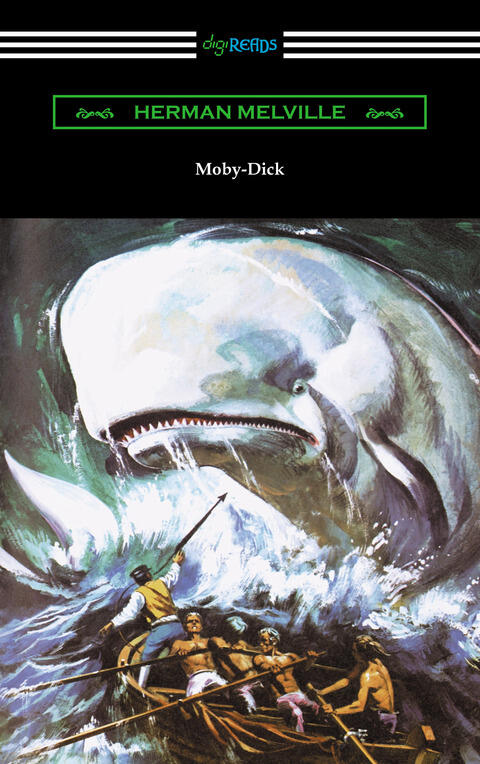
With the addition of striking illustrations by Mead Schaeffer, the tale gains a visual dimension that enhances the narrative's emotional depth. Each dynamic image captures the intensity of the sea battles and the stark beauty of the marine landscape, allowing readers to experience the adventure in a fresh way. Schaeffer's artistry breathes life into the story, creating a visual bridge to its themes and characters.
William S. Ament's introduction further enriches the reading experience, providing historical insight and a contemporary interpretation of Melville's work. Ament's reflections highlight the enduring relevance of the themes presented in the novel and underscore why it captured the imagination of readers during a resurgence of interest in the early 20th century. Through this marriage of text and imagery, the essence of "Moby-Dick" resonates powerfully.
Ultimately, Melville's work transcends time, prompting introspection and discussion on the nature of obsession and the human condition. This illustrated edition continues to inspire and challenge readers, inviting them to explore the depths of both the ocean and the human soul.
جزئیات کتاب
ژانرها
نقدها
مشاهده همه
Group project goes wrong because the leader is way too into whales.funnily enough, that's happened to me in real life

I really hate it when I can't connect with some of the greatest works of art. Moby Dick is sadly one of these!I really tried to enjoy it, but couldn't! It's one of the very few classics which bore me to death. In my opinion, there's very little development when it comes to the characters and the story-line itself. I expected a lot from the author, especially that the book is thick. I told myself here's a story that's going to keep me entertained for a while, but instead I only found an annoyingly massive amount of fishery technicalities. A flat bulk of information to fill the chapters so that the real story can be rewritten in no more than a quarter of the actual number of pages. What bugs me up about this is the uselessness of such details in connection with the direction in which the story moves. The reader could perfectly do without most of that massive amount of waling fishery details! Besides, the characters are mostly flat. There's neither will nor power of will directing their steps and guiding their actions. Take the narrator as an instance. He's a passive observer of everything; merely a man relating his inexistence in the tale. Ahab is another in spite of all his depicted mightiness which remains but empty words. What is he if not simply a stubborn, half-mad, old captain directing a set of dummies who are so flat and two dimensional that I can't even attempt to put them to scrutiny. One thing I know for sure, I am never going to read that book again as I am already giving it away to any student in need of a free copy! And apart from the occasional beauty of its prose and the images which come to the forth every now and then, I regret spending so much time reading it.

Call me Ishmael. Thus starts the greatest American novel. Melville said himself that he wanted to write a mighty book about a mighty theme and so he did. It is a story of one man's obsessive revenge-journey against the white whale, Moby-Dick, who injured him in an earlier meeting.