

توضیحات
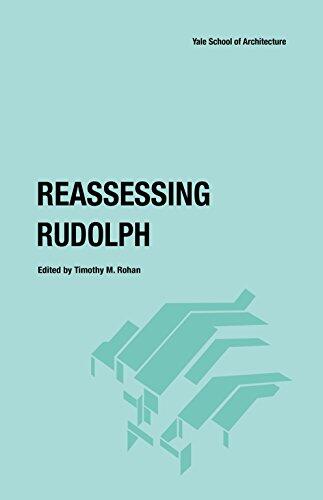
Paul Rudolph, a prominent figure in American architecture, emerged as a visionary talent during the mid-20th century, captivating audiences with his bold designs and innovative concepts. Throughout his career, he became particularly known for his mastery of Brutalist architecture and his pioneering use of concrete. His structures, marked by their complex forms and interplay of light and shadow, reflected a deep understanding of both function and aesthetics, allowing him to leave a lasting imprint on the architectural landscape.
In this scholarly reassessment, a team of experts enlivens the narrative surrounding Rudolph’s work by exploring the evolution of his design philosophy and the socio-cultural context that influenced it. They delve into key projects and critically analyze his contributions to urban architecture, highlighting how his approach continues to resonate in contemporary discussions about space and environment. Through detailed examinations, readers are invited to rethink the legacy of a man who, despite his controversial status, dared to challenge traditional architectural norms.
This comprehensive exploration not only revises the common perceptions of Rudolph's oeuvre but also celebrates his complex personality and the challenges he faced throughout his career. By weaving together personal anecdotes and academic analysis, the authors provide a multifaceted view of Rudolph, illuminating how he navigated the shifting tides of architectural trends and public opinion, ultimately proving that his work is deserving of fresh appreciation and understanding.
In this scholarly reassessment, a team of experts enlivens the narrative surrounding Rudolph’s work by exploring the evolution of his design philosophy and the socio-cultural context that influenced it. They delve into key projects and critically analyze his contributions to urban architecture, highlighting how his approach continues to resonate in contemporary discussions about space and environment. Through detailed examinations, readers are invited to rethink the legacy of a man who, despite his controversial status, dared to challenge traditional architectural norms.
This comprehensive exploration not only revises the common perceptions of Rudolph's oeuvre but also celebrates his complex personality and the challenges he faced throughout his career. By weaving together personal anecdotes and academic analysis, the authors provide a multifaceted view of Rudolph, illuminating how he navigated the shifting tides of architectural trends and public opinion, ultimately proving that his work is deserving of fresh appreciation and understanding.
جزئیات کتاب
فرمت
جلد نرم
صفحات
186 صفحه
زبان
انگلیسی
منتشر شده
دسامبر 5, 2017
ناشر
The Yale School of Architecture
نسخه
Illustrated
ISBN-10
0300225865
ISBN-13
9780300225860