

توضیحات
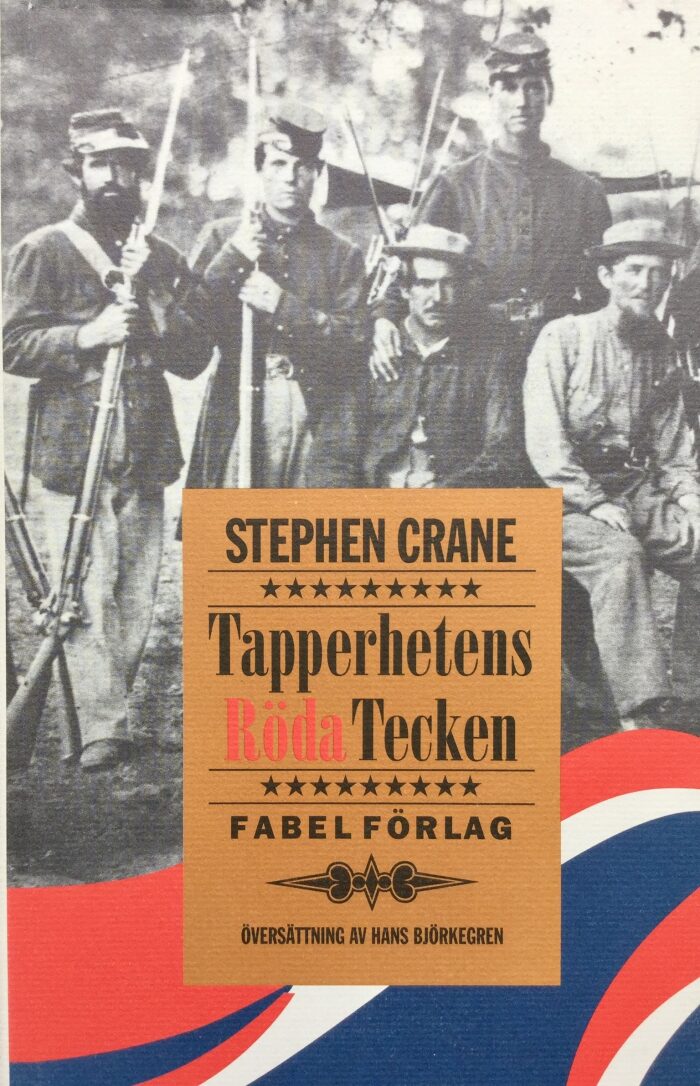
During an unnamed battle, 18-year-old private Henry Fleming survives what he considers to be a lost cause by escaping into a nearby wood, deserting his battalion. He finds a group of injured men in which one of the group, the "Tattered Soldier", asks Henry, who's often referred to as "The Youth", where he's wounded. Henry, embarrassed that he's whole, wanders thru the forest. He ultimately decides that running was the best thing, & that he's a small part of the army responsible for saving himself. When he learns that his battalion had won the battle, Henry feels guilty. As a result, he returns to his battalion & is injured when a cannon operator hits him in the head because he wouldn't let go of his arm. When he returns to camp, the other soldiers believe he was harmed by a bullet grazing him in battle. The next morning he goes into battle for a 3rd time. While looking for a stream from which to attain water, he discovers from the commanding officer that his regiment has a lackluster reputation. The officer speaks casually about sacrificing Henry's regiment because they're nothing more than "mule drivers" & "mud diggers". With no regiments to spare, the general orders his men forward. In the final battle, Henry becomes one of the best fighters in his battalion as well as the flag bearer, finally proving his courage as a man.
جزئیات کتاب
ژانرها
نقدها
مشاهده همه
I read this novel for the first time in 2019 and didn't give it much thought because I was busy working on my Master dissertation. It was a fun read and that was the end of it. Now (Dec 2025) that I'm pursuing a PhD in the same field of anglophone literature, I grabbed the book again and sat down to reread it. I was surprised at how much the first time didn't give it justice. Maybe it was the haste and maybe my empathy levels have matured since then, but now I see it for what it truly is: not merely a rendition of war times in America but a clever commentary on the will to power and its annihilation at the hands of government, sovereign, captains... in short, anyone who is in a position of power. Henry Fleming is unsure about his willingness to die in battle, he even turns his back to the absurd fight but the battle fought in his psyche is way more savage and debilitating. On his own, he faces the reprimands of societal norms, the values that taught generations of men like himself that dying for your land is heroic when in truth it is only absurdly suicidal. From a Nietzschean perspective, at least, it is. Because the will to power is the will to live, and death is all that's in store for Henry in the battleground, a meaningless death too, celebrated to prompt men like him to give their lives willingly when in truth their superiors see them as nothing more than tools to accomplish personal glory. For the concerned individual, namely Henry himself, that death or even it's acceptance is the end of his desire and essence to live and to be powerful.At the end, Henry survives his trial but his will to power does not. It is entirely annihilated under the social conditioning of his peers so much so that death for his colors become acceptable and even noble.