

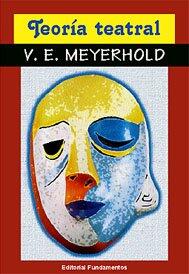
جزئیات کتاب
فرمت
جلد نرم
صفحات
224
زبان
اسپانیایی
منتشر شده
Oct 24, 2016
ناشر
Editorial Fundamentos
نسخه
11
ISBN-10
8424500210
ISBN-13
9788424500214
توضیحات
In a groundbreaking exploration of the theatre, V. E. Meyerhold delves into the principles that govern theatrical performance and production. The work offers readers a profound understanding of the artistic elements that shape stagecraft and directorial choices, drawing from a rich history of theatre theory and practice. It emphasizes the importance of innovation and challenges traditional conventions, encouraging a fresh perspective on the impact of performance.
Meyerhold advocates for a dynamic approach, where the actor's body becomes a key vehicle for expression. He emphasizes the need for physicality and movement in storytelling, suggesting that the most profound narratives can be conveyed without the constraints of dialogue. This focus on the physicality of performance opens new avenues for both creators and audiences, further enriching the theatrical experience.
The exploration also ventures into the realm of direction, discussing the relationship between the director and their creative team. Meyerhold highlights the collaborative nature of theatre, where each contributor plays a vital role in bringing a vision to life. This aspect of the work serves as a reminder of the synergy necessary for successful productions.
Ultimately, Meyerhold's insights serve as both a guide and an inspiration for those involved in the performing arts. Embracing modern techniques along with theoretical underpinnings, the work invites readers to reconsider their understanding of theatre, urging them to challenge boundaries in pursuit of authenticity and artistic expression.
Meyerhold advocates for a dynamic approach, where the actor's body becomes a key vehicle for expression. He emphasizes the need for physicality and movement in storytelling, suggesting that the most profound narratives can be conveyed without the constraints of dialogue. This focus on the physicality of performance opens new avenues for both creators and audiences, further enriching the theatrical experience.
The exploration also ventures into the realm of direction, discussing the relationship between the director and their creative team. Meyerhold highlights the collaborative nature of theatre, where each contributor plays a vital role in bringing a vision to life. This aspect of the work serves as a reminder of the synergy necessary for successful productions.
Ultimately, Meyerhold's insights serve as both a guide and an inspiration for those involved in the performing arts. Embracing modern techniques along with theoretical underpinnings, the work invites readers to reconsider their understanding of theatre, urging them to challenge boundaries in pursuit of authenticity and artistic expression.