

توضیحات
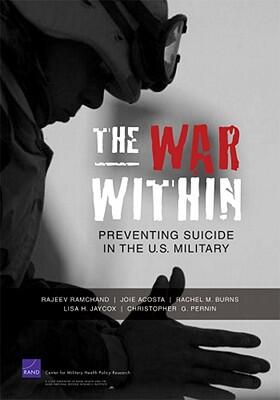
This compelling research brief delves into a critical issue facing the U.S. military: the alarming rates of suicide among service members. Drawing on extensive research and data, the authors present a nuanced overview of the challenges and complexities surrounding mental health in the armed forces. The narrative highlights the urgent need for comprehensive strategies to address these issues and offers insights into the factors contributing to the mental health crisis.
As the authors dissect the multifaceted nature of suicide risk, they emphasize the importance of understanding service members' unique experiences and psychological burdens. They explore various prevention measures that could be implemented within military structures, showcasing programs that have shown promise in mitigating these risks.
By providing evidence-based recommendations, the brief aims to inform policymakers and military leaders about effective interventions. The authors advocate for a culturally sensitive approach, recognizing that fostering a supportive environment is crucial for encouraging service members to seek help.
The research ultimately underscores the responsibility of military institutions to prioritize mental health and create a continuum of care for those in uniform. Through this informative work, the authors aspire to spark critical discussions and motivate changes that can save lives, illuminating the ongoing battle against the war within.
As the authors dissect the multifaceted nature of suicide risk, they emphasize the importance of understanding service members' unique experiences and psychological burdens. They explore various prevention measures that could be implemented within military structures, showcasing programs that have shown promise in mitigating these risks.
By providing evidence-based recommendations, the brief aims to inform policymakers and military leaders about effective interventions. The authors advocate for a culturally sensitive approach, recognizing that fostering a supportive environment is crucial for encouraging service members to seek help.
The research ultimately underscores the responsibility of military institutions to prioritize mental health and create a continuum of care for those in uniform. Through this informative work, the authors aspire to spark critical discussions and motivate changes that can save lives, illuminating the ongoing battle against the war within.
جزئیات کتاب
فرمت
جلد نرم
صفحات
228 صفحه
زبان
انگلیسی
منتشر شده
Apr 16, 2011
ناشر
RAND Corporation
نسخهها
2 editions
ISBN-10
0833049712
ISBN-13
9780833049711