

جزئیات کتاب
فرمت
جلد سخت
صفحات
195
زبان
انگلیسی
منتشر شده
Jan 1, 1972
ناشر
UNIVERSITY PRESS
ISBN-10
0852242271
ISBN-13
9780852242278
توضیحات
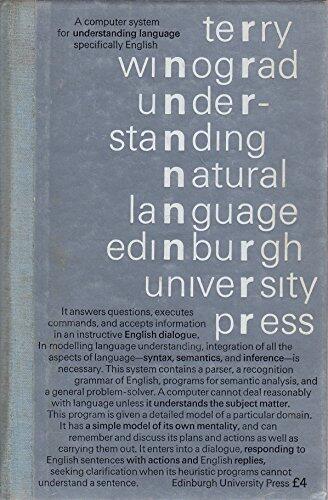
Terry Winograd delves into the intricacies of natural language processing with a focus on the English language. This work explores how computers can be designed to understand and interpret language in a way that mimics human comprehension. By integrating linguistic theories with practical computer systems, Winograd lays a foundational framework for advancements in artificial intelligence.
At the heart of Winograd's exploration is the challenge of creating a program capable of nuanced understanding, which reflects the ambiguity and complexity inherent in human communication. The author addresses various methodologies and concepts that influence the development of computer systems aimed at this ambitious objective.
The text is both thought-provoking and technical, appealing to researchers, developers, and anyone intrigued by the intersection of language and technology. Winograd emphasizes the significance of context, meaning, and semantics, urging readers to consider how machines can bridge the gap between human thought and computation.
Ultimately, this work serves as a vital resource in the ongoing quest to create intelligent systems that can engage in meaningful dialogue, representing a crucial step forward in the field of natural language processing.
At the heart of Winograd's exploration is the challenge of creating a program capable of nuanced understanding, which reflects the ambiguity and complexity inherent in human communication. The author addresses various methodologies and concepts that influence the development of computer systems aimed at this ambitious objective.
The text is both thought-provoking and technical, appealing to researchers, developers, and anyone intrigued by the intersection of language and technology. Winograd emphasizes the significance of context, meaning, and semantics, urging readers to consider how machines can bridge the gap between human thought and computation.
Ultimately, this work serves as a vital resource in the ongoing quest to create intelligent systems that can engage in meaningful dialogue, representing a crucial step forward in the field of natural language processing.